Seasons · Japan
Best Skiing in Hakuba: Conditions, Runs and Operators

Ina-valley / CC BY 4.0 via Wikimedia Commons
Hakuba, located in the heart of the Northern Japan Alps, is a prominently recognized destination celebrated for its diverse skiing options and majestic winter scenery. Hosting the 1998 Winter Olympics, Hakuba stretches across a sprawling area comprising ten interconnected resorts. This unique geography offers skiers and snowboarders of all levels a rich variety of slopes, allowing them to enjoy pristine powder snow, manageable crowds, and a taste of local culture. This comprehensive guide will delve into the skiing conditions, trail options, resorts, and operators that make Hakuba a top pick for winter sports enthusiasts.
 Ski Mania / Public domain via Wikimedia Commons
Skiing conditions in Hakuba
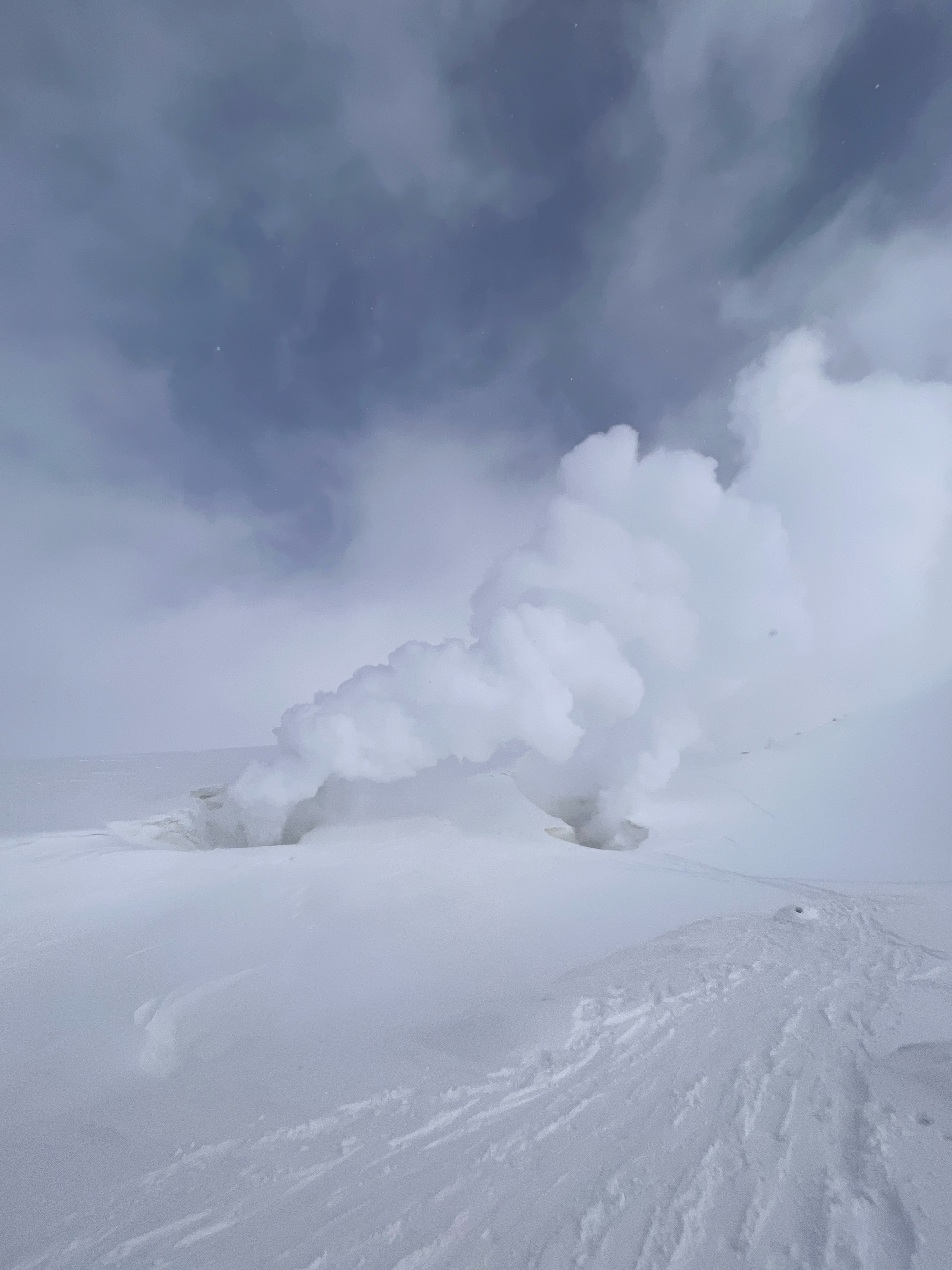
Hakuba experiences an exceptional winter season that typically runs from late December through early March. The snow conditions during this period vary but are generally favorable, characterized by abundant snowfall and well-groomed pistes. Temperatures fluctuate around -5°C to -15°C. It is often during January and February that Hakuba's snowpack is at its most impressive, providing skiers with prime powder conditions. The atmospheric serenity of the landscape adds to the skiing experience, as awe-inspiring mountain vistas create a truly memorable backdrop.
The region's altitude, coupled with its unique geographical disposition, results in an impressive winter snowfall accumulation ranging from 10 to 14 meters yearly. This phenomenon creates a veritable paradise for powder hounds, as the light dry snow is ideal for skiing and snowboarding alike. However, it is crucial to note that heavy snowfall can hinder visibility and create avalanche risks. It is vital to heed local avalanche warnings and ski within your limits, especially off-piste. Visitors should always keep abreast of the latest weather forecasts, as conditions can change rapidly in this mountainous terrain.
Best runs in Hakuba
The Hakuba valley is a conglomerate of diverse resorts, each providing unique runs to cater to different skill levels. Here’s a more detailed overview of some of the best skiing runs available.
Hakuba Happo-One
Hakuba Happo-One is perhaps the most storied of Hakuba's ski resorts, showcasing 13 runs across a sprawling 220 hectares. This resort boasts a vertical drop of approximately 1,083 meters. Beginners can take advantage of the gentle, wide-open slopes found in the Shirakaba Area, which is ideal for those still mastering their technique. Conversely, more advanced skiers can challenge themselves on the steep, powder-laden terrains located around the upper mountain areas. The famous “Champion Run,” which served as a venue during the Olympics, provides a thrilling test for experienced skiers, with its steep pitch and varied snow conditions.
Hakuba Goryu
Spanning 148 hectares, Hakuba Goryu features an appealing mix of runs suitable for varying degrees of skier ability. The resort maintains a vertical drop of about 1,050 meters. This area is particularly popular among intermediate and advanced skiers, thanks to its extensive off-piste options and hidden bowls that fill with powder after fresh snowfall. For beginners looking to gain confidence, the gentle slopes near the base offer a perfect starting point. Notably, Goryu connects with the Hakuba 47 resort, allowing access to even more terrain.
Hakuba 47
With a diverse assortment of runs that stretch over 120 hectares, Hakuba 47 is well known for its family-friendly environment and laid-back atmosphere. The vertical drop here is around 650 meters. Families will appreciate the gentle slopes and beginner-friendly terrain, while more advanced skiers can explore challenging runs such as the “Grizzly” and enjoy opportunities for off-piste adventure. Given its slightly less crowded nature compared to Happo-One and Goryu, this resort is an excellent choice for a relaxed day on the mountain.
Resort statistics
Hakuba's extensive infrastructure enhances accessibility among its ten linked resorts, featuring around 130 kilometers of groomed pistes. This extensive network allows skiers to explore a plethora of options while enjoying a range of on-piste and off-piste experiences. Quick and efficient lift systems ensure skiers spend more time carving down the slopes and less time waiting in lines.
Skiers and snowboarders can benefit from advanced terrain parks designed for creative expressions and skill development. Additionally, the resorts consistently work on snow management, ensuring that trails are well-maintained and safe for winter sports enthusiasts.
Before heading out, it is critical to check local weather reports and be aware of rapidly changing conditions, as these can significantly affect both skiing quality and safety. Reaffirm your skill level by sticking to terrain that you’re comfortable with, and always skiing in pairs or groups is highly advisable.
Operators and pricing
The Hakuba region is supported by a variety of operators delivering ski pass packages, rentals, and guided experiences. Local ski schools offer invaluable lessons for beginners and families, ensuring that even those new to the sport feel comfortable and confident. Rental pricing typically ranges from ¥5,000 to ¥10,000 (approx. €30 to €60 / $32 to $64) per day for a full setup, which includes skis, poles, and snowboards.
Lift pass prices will vary depending on the specific resort and the duration of your visit, averaging around¥5,000 to ¥8,000 (approx. €30 to €50 / $32 to $55) for a single day. It may be worthwhile to consider multi-day passes, which generally provide better value for avid skiers and frequent visitors.
Group and family discounts are often available, especially during non-peak periods, and various promotional offers can be found throughout the winter season. Always verify the latest offerings directly with the operators, as they can change frequently.
Winter travel tips
Preparing for your winter adventure in Hakuba requires careful planning. Here are several essential items to include in your packing list:
- Clothing: Layering is key to comfort. Invest in high-quality thermal undergarments, waterproof outer layers, and insulated ski jackets. Brands like The North Face and Patagonia are popular choices.
- Footwear: Waterproof, insulated boots with good traction are a must for safely navigating snowy and icy conditions off the slopes.
- Safety gear: Wearing a helmet is recommended for all skiers and snowboarders. Consider carrying avalanche safety gear, such as beacons and shovels, if planning on venturing off-piste.
- Weather gear: Don’t forget to bring appropriate gloves, goggles, and balaclavas to protect against the cold and wind.
To maximize your time on the slopes, plan your visit strategically. Weekdays typically present fewer crowds, while weekends, especially during peak ski season or public holidays, can see heavy traffic at the resorts.
Why book through a local operator
Booking through a licensed local operator can greatly enhance your skiing experience in Hakuba. Local guides possess extensive knowledge of the region, allowing them to lead you to hidden gems and safe routes tailored to your skill level. Their expertise also encompasses understanding mountain safety, ensuring you stay informed about safety protocols and any weather changes.
Moreover, leveraging local companies supports the community and often results in better value compared to larger international platforms. Personalized service tends to be a hallmark of local operators, ensuring that your skiing adventure in Hakuba is both enjoyable and specific to your interests.
Frequently asked questions
Is Hakuba good for beginners in January?
Yes, Hakuba offers ample opportunities for beginners. The resorts have plenty of gentle slopes specifically designed for novice skiers. January usually brings significant snow, ensuring good conditions for learning.
Do you need a guide in winter?
While a guide is not mandatory, hiring one can provide invaluable insights into the area. A local guide can ensure your safety, show you the best runs for your skill level, and help you navigate the mountain efficiently.
What are the typical temperatures in Hakuba during winter?
During winter, temperatures in Hakuba typically range from -5°C to -15°C. Be prepared for cold weather, especially in January and February when temperatures can drop significantly.
How crowded does Hakuba get?
Hakuba can experience busy periods during weekends and holidays, particularly when Tokyo locals visit. To avoid crowds, consider skiing on weekdays or opting for lesser-known resorts in the area.
Are there options for snowboarding in Hakuba?
Yes, Hakuba is an excellent destination for snowboarding, with numerous parks and off-piste opportunities available across the various resorts. Many amenities cater to snowboarders, enabling a pleasant experience for all skill levels.
What are the snow conditions like in Hakuba?
Hakuba generally enjoys excellent snow conditions, with an average snowfall of 10 to 14 meters each season. The powder quality is renowned, making it a preferred location for winter sports enthusiasts.
Explore more of Japan in winter
Keep planning with winter guide to Zao Onsen and skiing in Nozawa Onsen. When you are ready, tell the Roundtripski concierge what you want and we will build a bookable, day by day winter trip with licensed local operators.
A note on guiding
Japan's backcountry has its own norms and does not carry the same legal certification requirement as the Alps, but a qualified backcountry guide is strongly recommended for any off-piste, touring, or tree-run terrain around here. Avalanche risk is real: hire a local guide who knows the snowpack, and never drop into closed or backcountry terrain without one.