Seasons · Japan
Best Snowshoeing in Mount Fuji: Conditions, Runs and Operators
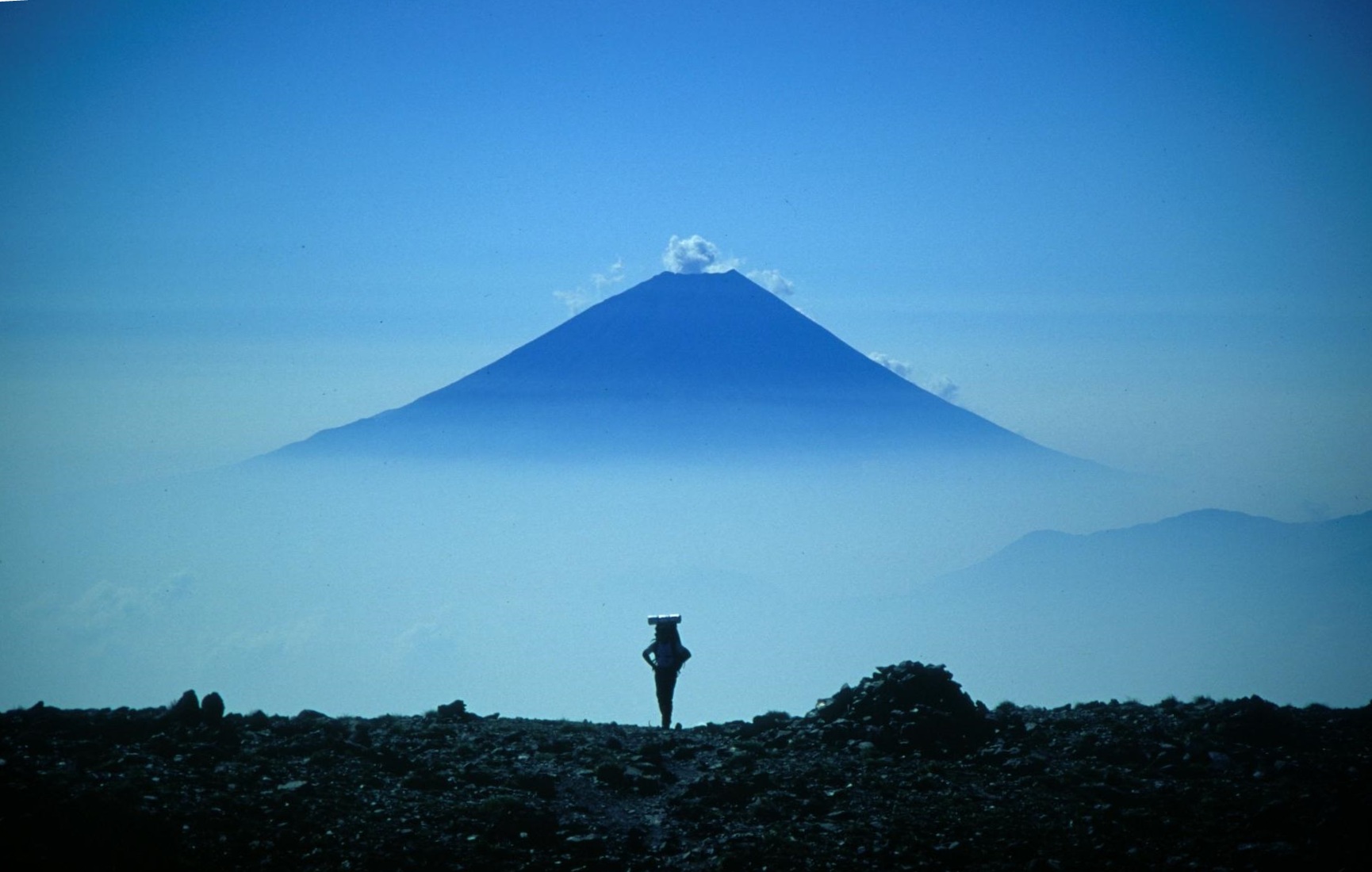
Alpsdake / CC BY-SA 3.0 via Wikimedia Commons
Winter transforms Mount Fuji into a stunning landscape, attracting experienced mountaineers, snowshoers and photographers alike. The serene beauty of the region beneath Japan's highest peak makes for an unforgettable snowshoeing experience. With its diverse terrain and rich cultural history, exploring the Fuji Five Lakes area in winter offers a unique adventure.
 U.S. Navy photo by Lt. j.g. Andrew Leatherwood / Public domain via Wikimedia Commons
Snowshoeing terrain and routes
The best snowshoeing Mount Fuji offers a variety of terrains and routes suitable for different skill levels. While beginners can explore lower elevations around the Fuji Five Lakes, experienced adventurers can challenge themselves on trails leading up to the 5th station. The trails are generally well-marked and take you through breathtaking landscapes, including forests and open vistas of the mountain.
One popular route is the hike up to the 5th station. Situated at 2,300 meters, the 5th station serves as a starting point for serious summit attempts but also provides fantastic views and accessible snowshoeing for less experienced adventurers. Snowshoeing here means trekking through beautiful cedar forests that are often cloaked in fresh powder, creating a picturesque winter wonderland.
The Nakaglō Trail is another favorite among seasoned snowshoers. This longer, challenging route offers a mix of terrain and stunning panoramas. Be prepared for a workout as this route can be physically demanding, requiring both stamina and experience with winter conditions.
Snow conditions and temperature
The temperatures around Mount Fuji in winter can be quite harsh. Expect daytime temperatures to hover around -5 to 5 degrees Celsius. Nighttime temperatures can drop significantly lower, below -10 degrees. Snow conditions depend on recent weather systems, but it often remains cold enough for conditions to be stable and the snow to be powdery.
December typically sees a light dusting of snow, while January through February generally presents the best snow for snowshoeing with a well-developed base. Avalanche risks are minimal with proper route planning, but keep in mind that conditions can change quickly, so always check the latest weather forecasts and avalanche warnings before setting out.
Difficulty levels
When discussing the best snowshoeing Mount Fuji options, it's crucial to consider the difficulty levels. The 5th station route is perfect for those who may be new to snowshoeing or want to enjoy a leisurely pace. More experienced snowshoers may look for challenging routes that require navigation skills and endurance.
Always assess your own capabilities and experience with winter trekking. Conditions can differ significantly day-to-day, affecting both ease of navigation and overall safety. Routes may become more technical after a fresh snowfall or with icy conditions, so adjust accordingly.
Recommended operators
Choosing the right operator for snowshoeing in the Mount Fuji region is paramount. Local guides bring invaluable experience, knowledge of winter conditions and expertise in navigating the trails. These operators often provide all necessary equipment, including snowshoes and poles, and some even offer additional services, such as transport from nearby cities.
Local operators include Fuji Mountain Guides and Yamanashi Adventure Club, both of which boast excellent reputations for customer service and safety. They often offer guided tours ranging from half-day excursions to full-day trips, ensuring participants of all skill levels can enjoy the best snowshoeing Mount Fuji offers.
Expect to pay approximately around ¥15,000 to ¥25,000 (approx. €90 to €150 / $95 to $160) for a guided tour that includes equipment rental and expert guidance. Prices may vary depending on the time of year and group size, so it's advisable to inquire directly with operators.
Winter travel tips
When planning your snowshoeing adventure, be mindful of the specific gear you will need. Waterproof, insulated boots are essential for keeping your feet warm and dry while trekking through snow. Dress in layers to manage heat - base layers, insulated inner layers, and a waterproof outer layer are the best options. Don't forget proper headgear, gloves, and potentially goggles for any strong winds.
Winter daytime hours are shorter, so plan your outings accordingly. Typically, you will get around 8 hours of daylight in December and January, making early starts necessary for your safety. Crowds are significantly reduced in winter compared to summer, giving you the opportunity to enjoy the breathtaking tranquility of Mount Fuji's winter landscape.
Why book through a local operator
Booking through a licensed local operator ensures you receive expert knowledge of the area and its conditions. These guides assess current weather changes and can provide real-time information about safety concerns. Local guides understand the intricacies of Mount Fuji, which can enhance your overall experience.
Moreover, a local operator often has access to less-traveled routes, allowing for a more unique snowshoeing experience. The price points of local tours are competitive when compared to larger platforms, providing a fair value for their specialised services.
Stunning photo opportunities
One of the best aspects of snowshoeing in the Mount Fuji region is the incredible opportunities for photography. The landscape during winter is a sight to behold. The mountain itself often wears a crown of snow, and the surrounding lakes reflect the clear skies. The contrast of the white snow with the vibrant colors of the trees provides an excellent backdrop for stunning images.
The early mornings, when the sun rises behind Mount Fuji, produce spectacular lighting perfect for photographers. Furthermore, capturing the contrast of snow against the dark volcanic rock faces can yield captivating results.
Frequently asked questions
Is Mount Fuji good for beginners in January?
January can be a challenging month for beginners due to cold temperatures and potentially icy trails. However, with secure guided support and well-chosen routes, beginners can safely enjoy the experience under expert supervision.
Do you need a guide in winter?
While it’s possible to snowshoe independently, hiring a guide is highly recommended during winter. Local guides have expertise in navigating winter conditions, ensuring that safety is prioritized while exploring the region's snow-covered beauty.
What gear should I bring for snowshoeing?
It is essential to wear waterproof, insulated boots and to dress in layers for warmth. Bring snowshoes or rent them locally, and consider taking poles for stability. Don't forget appropriate winter accessories like gloves, hats, and goggles.
What are the risks of snowshoeing on Mount Fuji in winter?
Risks include icy trails and changes in weather conditions. It is crucial to check weather reports and adjust your plans accordingly. Ensure you have the right gear and consider booking with a local guide who will assess the conditions for you.
Are there any elevation changes during snowshoeing?
Yes, many trails around Mount Fuji feature elevation gains and losses, particularly as you approach the 5th station. It is a physically demanding activity that requires good fitness and proficiency in winter hiking.
When is the best time to visit for snowshoeing?
The best snowshoeing conditions are typically from December through February, with January usually providing the best snow coverage. Snow conditions can significantly affect your experience, making this season ideal for winter sports.
Explore more of Japan in winter
Keep planning with winter guide to Yakushima Island and scuba diving in Okinawa Main Island. When you are ready, tell the Roundtripski concierge what you want and we will build a bookable, day by day winter trip with licensed local operators.


