Destinations · Italy
The Complete Adventure Guide to the Dolomites (2026)
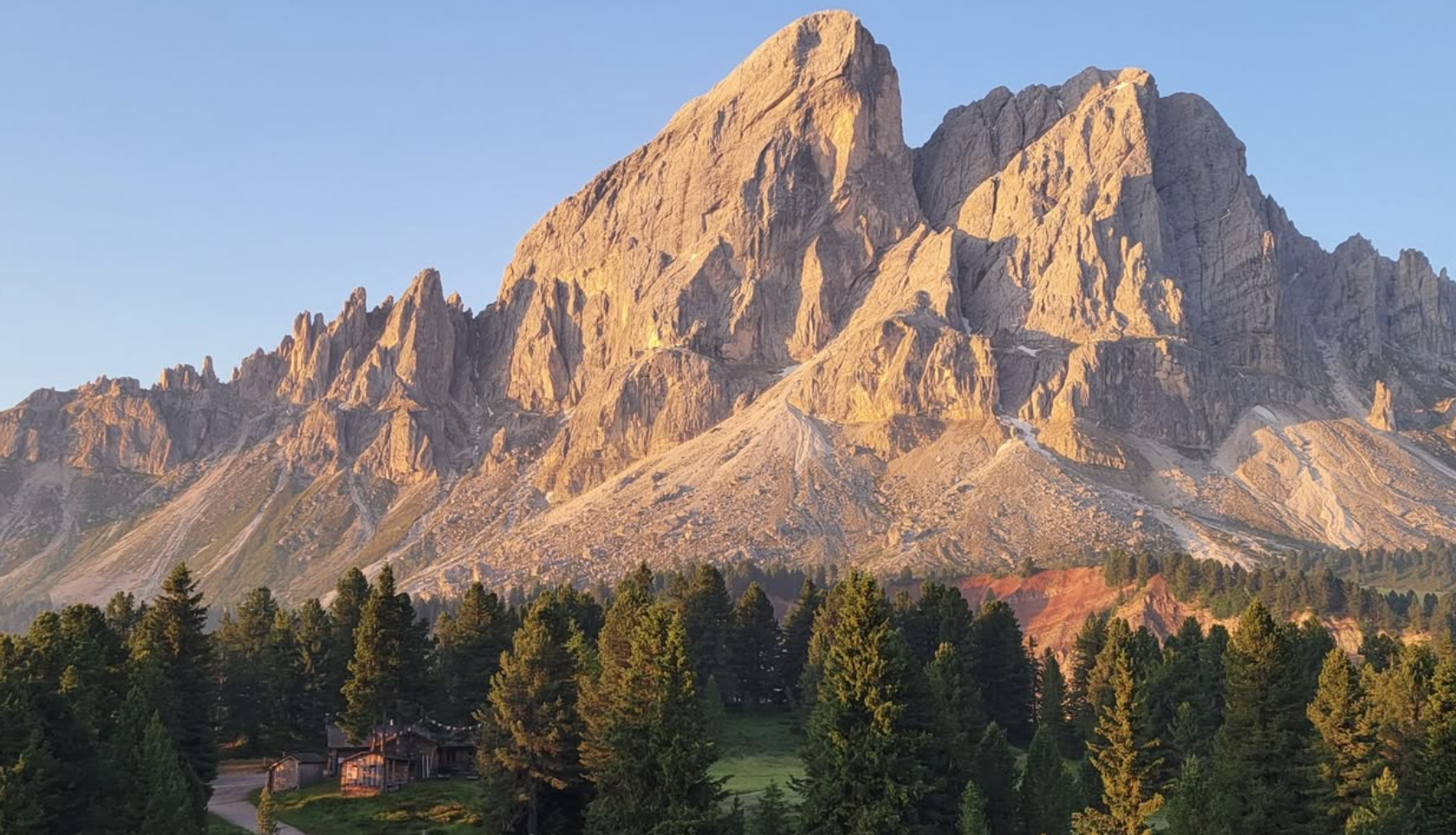
The Dolomites adventure guide is your key to exploring one of Italy's most stunning mountain ranges. Nestled between South Tyrol and Veneto, this UNESCO World Heritage site features breathtaking peaks, idyllic valleys, and an extensive network of well-maintained trails. Whether you are a seasoned trekker or a newcomer looking to experience nature, this guide provides you with detailed information on the best activities, seasons to visit, and logistics that will make your trip unforgettable.
 Hans Braam / CC BY 3.0 via Wikimedia Commons
Overview of the Dolomites
The Dolomites South Tyrol and Veneto are renowned for their dramatic limestone formations and spectacular landscapes. The region offers a range of outdoor activities, making it a prime destination for adventure enthusiasts. Hut trekking Italy is especially popular here, with a web of trails connecting cozy rifugi (mountain huts) that serve as rest stops and accommodation.
The Dolomites are divided into several park areas, including the Sella Group, the Fanes-Sennes-Prags Nature Park, and the Ampezzo Dolomites. Each area boasts unique characteristics and attractions, from steep rock faces to lush valleys.
Hut Trekking in the Dolomites
Hut trekking is a marquee experience for those visiting the Dolomites. The extensive network of marked trails allows trekkers to move between rifugi while soaking in breathtaking views. A must-do is the Alta Via 1, which stretches approximately 120 kilometers over 10-12 stages. Along the route, you'll encounter stunning landscapes, including the infamous Piz Boè peak and the Sella massif.
Planning your trek
It's vital to plan your trek based on your fitness level and experience. Most stages of the Alta Via 1 range from 4 to 8 hours of walking per day. Those seeking a more leisurely pace can select shorter segments and stay longer in key areas, such as Val Gardena or San Cassiano. Typical daily costs for food and lodging at rifugi can range from around €50 to around €60-100 per person.
Via Ferrata and Rock Climbing
For those looking for an adrenaline boost, the Dolomites adventure activities also include via ferrata and rock climbing. The region is home to some of the best via ferrata routes in the world, allowing climbers to scale vertical rock faces with the security of fixed cables and ladders.
One of the most famous routes is the Via Ferrata delle Trincee, which takes you through historical World War I sites while offering stunning views of the surrounding peaks. Equipment rentals are available in most towns, and guided tours can range from around €100 to around €200-325 per person, depending on the length and difficulty of the route.
Climbing schools and guides
For beginners, numerous climbing schools offer lessons and guided experiences. Companies like Marmolada Climbing and Alte Escola provide introductory lessons as well as advanced options. Booking in advance is essential, especially during the busy summer months.
Skiing the Dolomites
Although hut trekking is a summer favorite, the Dolomites also transform into a winter wonderland. The ski season typically runs from late December to mid-April. The region boasts over 1,200 kilometers of piste and is part of the Dolomiti Superski area, which links several ski resorts including Cortina d'Ampezzo and Val Gardena.
Ski resorts and options
Cortina d'Ampezzo is the most famous ski resort in the Dolomites and often referred to as the "Queen of the Dolomites." It offers a range of slopes suitable for all skill levels, with prices for day passes starting at around €50-80. For those interested in off-piste skiing or backcountry experiences, guided tours and rentals are widely available.
Best Times to Visit
The seasons in the Dolomites can significantly influence your activities. The ideal time for hut trekking is from late June to early September, when the trails are snow-free, and the rifugi are open. For climbing and via ferrata, late spring through early autumn is best, while winter enthusiasts should plan their visit from late December to mid-April.
Weather considerations
Weather in the Dolomites can be unpredictable. Summer temperatures can reach up to 25 °C (77 °F) in valleys but drop quickly at higher altitudes. Rain is common, and storms can occur without warning. In winter, temperatures can drop below zero, especially at night.
Accommodation Choices
Though the Dolomites are famed for their rifugi, you can also find an array of accommodation options, ranging from hotels in towns like Ortisei and Canazei to camping spots in designated areas. Prices for rifugi typically range from around €50 to around €60-100 per night, while hotels may charge between €100-325 per night, depending on the amenities offered.
Booking in advance
During peak season, particularly July and August, it's advisable to reserve your accommodations to avoid disappointment. Many rifugi also offer half-board options, which include both dinner and breakfast, making the trek easier.
Culinary Delights
The Dolomites are not only a haven for adventure but also for gastronomic experiences. Local cuisine reflects the region's unique heritage, with influences from both Italian and Austrian traditions. Expect to find delicious dishes such as speck platter, knödel (dumplings), and sacher torte, best enjoyed at mountain huts and local restaurants.
Local specialties and dining
Be sure to try local wines as well, particularly those from the Südtirol region. The prices for meals at mountain huts can vary from around €15 for a simple dish to around €30-50 for a multiple-course meal.
Frequently asked questions
How much does hut trekking in the Dolomites cost?
Costs can vary widely based on your choices. Daily expenses typically range from around €50 to around €60-100 per person for meals and lodging. Guided treks may add another around €80-130 to around €200-325, depending on the itinerary and services.
What is the best time to go trekking in the Dolomites?
The best trekking season runs from late June to early September, when trails are clear of snow, and rhododendrons bloom. However, always check local weather forecasts and trail conditions.
Are there guided tours available in the Dolomites?
Yes, many companies offer guided tours for various activities, including hut trekking and via ferrata. Look for reputable local operators like Dolomiti Guides or AlpenGuide.
What equipment do I need for hut trekking?
Essential gear includes sturdy hiking boots, a daypack, trekking poles, sufficient clothing for varying temperatures, and a reliable map. Check with individual rifugi for any specific requirements.
Can I bring my dog on trekking trips in the Dolomites?
Generally, dogs are allowed on many trails, but always check specific rifugi policies when making reservations. Some places may not permit pets inside the huts.
How do I get around in the Dolomites?
The best way to navigate the Dolomites is by car or public transport. Train connections to key towns like Ortisei and Cortina d'Ampezzo are reliable, and many buses connect different regions and trailheads.
Ready to go
Ready to book your adventure? Browse experiences in Italy on Roundtripski. Keep planning with the adventure guide to Lake Como and the adventure guide to Cortina d'Ampezzo.


