Seasons · Japan
Hidden Winter Gems Near Hakuba

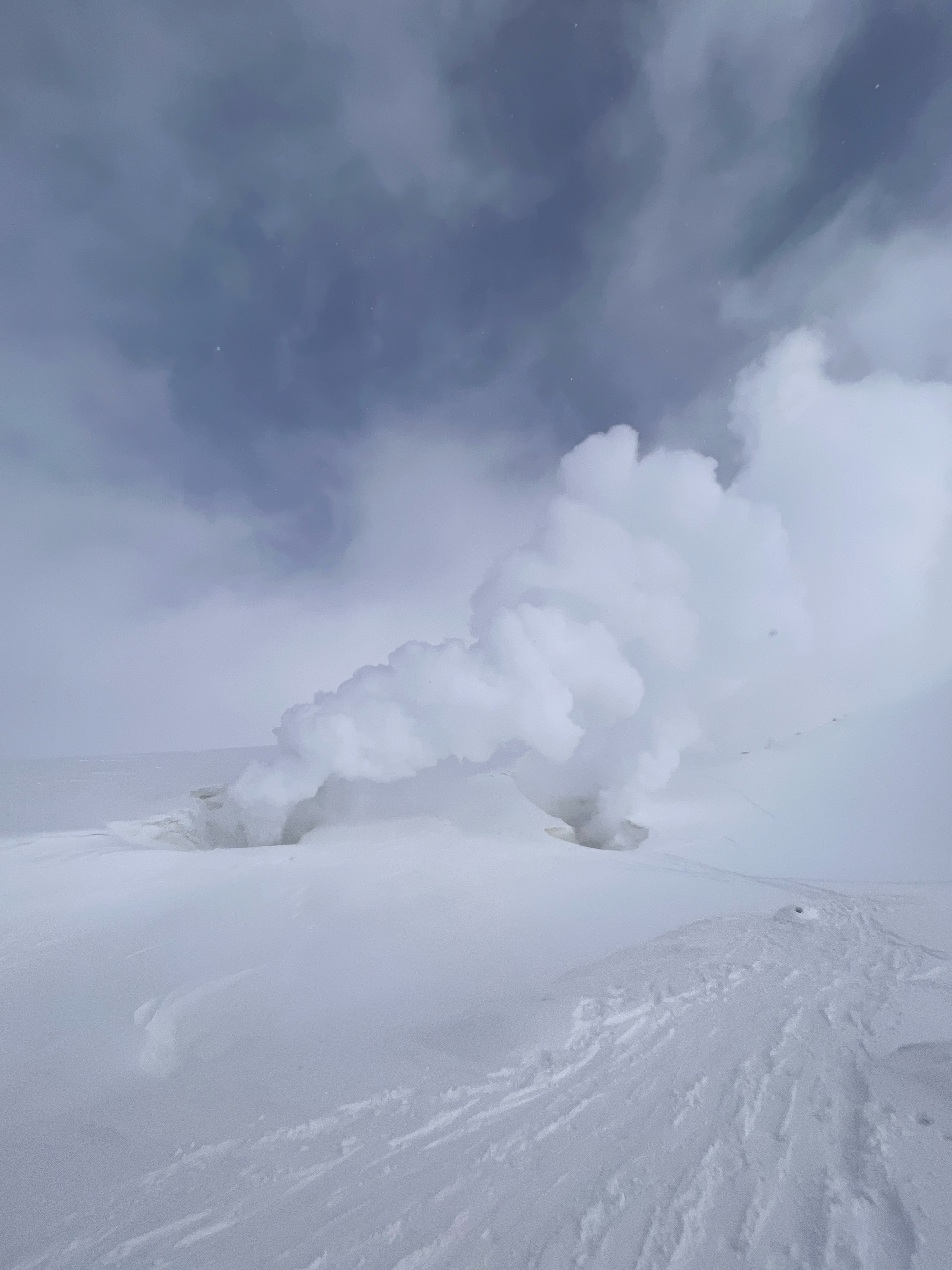
苗場山 / CC BY-SA 3.0 via Wikimedia Commons
Hakuba, nestled within Japan's Northern Alps, is not just a ski destination but a winter wonderland that offers much more than its popular slopes. With ten linked resorts and a remarkable average yearly snowfall exceeding 11 meters, Hakuba is a prime location for winter sports enthusiasts. However, beyond the well-trodden trails lie hidden gems that cater to those seeking tranquility, unique experiences, and an authentic taste of mountain culture. From backcountry skiing to charming villages, the lesser-known attractions in Hakuba offer something special for every kind of adventurer.
Hakuba hides an array of treasures for those willing to look beyond the popular runs. Here, we delve deeper into the unique experiences that await eager winter explorers.
Exploring the backcountry
For seasoned skiers and snowboarders, the backcountry around Hakuba serves as an untouched paradise. Goryu Snow Resort and the surrounding mountains like the Hakuba Norikura and Shirouma-dake offer breathtaking terrain and deep powder conditions. Accessible via the Goryu resort, these areas provide opportunities for off-piste skiing that can lead you through pristine landscapes, often without another soul in sight.
While the allure of these untouched runs is strong, proper planning and safety measures are essential. Always check the local avalanche forecast before heading out, as conditions can change rapidly in the backcountry. Carry essential gear such as avalanche beacons, shovels, and probes, or consider hiring a local guide who understands the terrain intimately and can help navigate through the most rewarding spots while prioritizing safety. Local guiding services generally cost roughly ¥6,000 to ¥12,000 (approx. €40 to €80 / $45 to $110) per day depending on the provider.
Quiet runs at Happo-One
Happo-One is one of Hakuba's most extensive ski resorts, yet it offers secretive zones that allow you to ski in relative peace. Among these, the Kuruma course is a standout, primarily recommended for intermediate skiers. The course drops approximately 3,000 meters, weaving through gorgeous alpine scenery. Patients are rewarded with a skiing experience featuring a combination of groomed pistes and delightful natural terrain, offering spectacular views of the surrounding Japanese Alps, especially during sunrise or the golden hour.
On quieter days, particularly midweek, you can often find yourself savoring a serene skiing experience here, away from the crowds that swarm on weekends and holidays. The landscape transforms into a dazzling spectacle under fresh snowfall, and you might even spot deer or hare tracks in the snow as you glide down.
Serene slopes at Iwatake
Just a short distance from central Hakuba, Iwatake Ski Resort offers a unique vibe with its beautiful panoramic views across the Hakuba Valley. Unlike the major resorts, Iwatake is often less crowded, making it a perfect choice for families or those seeking a laid-back day on the slopes. Iwatake features diverse terrain that suits a variety of skill levels, from gentle beginner slopes to more challenging advanced runs.
The gentle southern slopes are particularly panoramic, providing stunning views of the mountains bathed in soft afternoon light. Children and beginners can enjoy the dedicated learning areas while advanced skiers can challenge themselves on the black diamond runs. The resort also offers affordable meal options in cozy cafes, serving homemade miso ramen and locally fabricated snacks, making it an enjoyable respite as you refuel for the next run.
The enchanting village of Otari
Just a stone's throw north of Hakuba lies the picturesque village of Otari, a spot often overlooked by visitors heading straight for the more famous resorts. Nonetheless, Otari is a hidden gem that reveals a different side of the region's ski culture. The area is home to several ski resorts, including Kurobe Snow Resort and Hakuba 47, both of which boast silent runs amidst stunning landscapes.
Otari’s charm extends beyond skiing; the village offers a true cultural experience. After a day spent on the slopes, the local cuisine becomes a highlight. Be sure to try the traditional soba noodles made from artisanal buckwheat grown in the region. Many restaurants here work from family recipes passed through generations, presenting diners with authentic flavors of the Northern Alps. Prices for meals generally range between ¥1,000 to ¥2,500 (approx. €7 to €17 / $8 to $19), making it a budget-friendly option.
Secret snowshoeing spots
For those who want to break away from skiing, snowshoeing presents a perfect alternative that lets you appreciate Hakuba's stunning natural scenery. Trails within Jōshinetsu Kōgen National Park, such as the popular route starting from the Murodo area, are ideal for snowshoeing enthusiasts. Snowshoeing here opens up a world of picturesque landscapes usually enveloped in quietude, enhancing the experience of traversing natural wonders with minimal foot traffic.
Paths in the park can vary in difficulty, which means that both seasoned explorers and complete novices can find suitable trails. On clear days, remarkable views of Mt. Tateyama and the neighboring peaks create unforgettable scenes. Average snowshoe rental costs hover around ¥2,000 to ¥4,000 (approx. €13 to €30 / $15 to $35) per day, often including poles.
Winter travel tips
When planning your adventure in Hakuba, preparation is key for an enjoyable experience. Besides mandatory layers and thermals, consider waterproof outer clothing to safeguard against the elements. Gloves or mittens designed for skiing will keep your hands warm while allowing for adequate dexterity.
In the winter months, particularly January and February, the conditions will be at their peak. However, this also means that the resorts can be busy. To find peace amidst the bustle, chance your visit on weekdays instead of weekends to access quieter slopes. Additionally, arriving early in the day ensures that you can enjoy the best of the untouched powder before it becomes tracked-out.
Don’t forget to bring sunscreen; although it may be cold, the sunlight reflecting on the snow can cause sunburn. Lip balm with SPF will also protect against the drying effects of cold air.
Why book through a local operator
Using a licensed local operator for your Hakuba adventure can vastly enrich your experience. Local guides possess a depth of knowledge about the area that can lead you to those hidden gems most tourists miss. They ensure that you navigate through the terrain safely and efficiently. Moreover, supporting local businesses is a sustainable choice that supports the regional economy and promotes responsible tourism.
Local operators also offer valuable tips and insight, from the best times to hit particular runs to recommendations for exceptional dining experiences. Although these services add an additional cost, typically ranging from ¥10,000 to ¥15,000 (approx. €65 to €100 / $70 to $110) per day, they provide an enriching experience that allows you to experience Hakuba in its full depth and breadth.
Frequently asked questions
What are the temperatures like in Hakuba during winter?
Winter temperatures generally range from -10°C to 5°C (14°F to 41°F). Expect chilly nights, and prepare for the occasional snowstorm, especially in January and February.
Is Hakuba suitable for families with children?
Yes, Hakuba offers various family-friendly options. Resorts such as Hakuba Goryu and Happo-One provide childcare facilities and beginner slopes, making it ideal for skiing families.
What should I consider for safety while skiing in Hakuba?
Snow safety is crucial. Familiarize yourself with the terrain, stay informed about avalanche risks, and always wear a helmet. If venturing off-piste, consider hiring a local guide.
Are there any lesser-known resorts in Hakuba I can explore?
Yes, resorts like Iwatake and Otari provide a quieter atmosphere with unique runs. They are excellent spots to discover lesser-visited areas while enjoying ski terrain suitable for all skill levels.
What is the snow condition like in Hakuba during winter?
Hakuba typically averages 11 to 12 meters of snowfall annually, ensuring excellent powder conditions. The quality of snow can vary throughout the season, but January usually sees the best powder.
Do you need a guide in winter?
While it is possible to explore on your own, hiring a local guide is highly recommended, particularly for off-piste areas. A guide ensures your safety and enhances your experience by showing you hidden gems.
Explore more of Japan in winter
Keep planning with winter guide to Zao Onsen and skiing in Nozawa Onsen. When you are ready, tell the Roundtripski concierge what you want and we will build a bookable, day by day winter trip with licensed local operators.
A note on guiding
Japan's backcountry has its own norms and does not carry the same legal certification requirement as the Alps, but a qualified backcountry guide is strongly recommended for any off-piste, touring, or tree-run terrain around here. Avalanche risk is real: hire a local guide who knows the snowpack, and never drop into closed or backcountry terrain without one.