Destinations · Croatia
When to Visit Krka: A Month by Month Guide

kallerna / CC BY-SA 4.0 via Wikimedia Commons
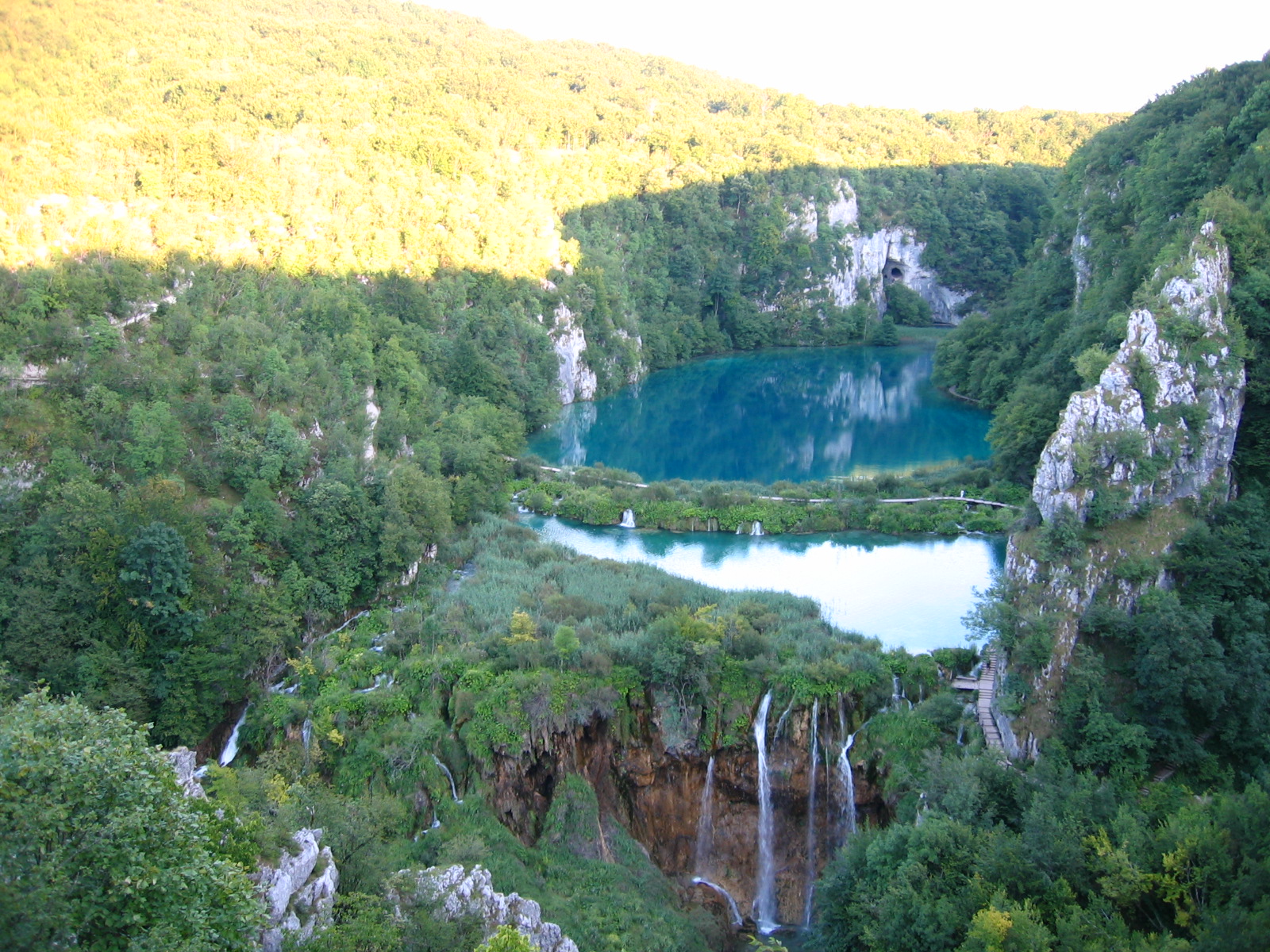
Krka is a stunning destination known for its travertine waterfalls, clear waters, and incredible natural beauty. If you are considering when to visit Krka, it's essential to understand how each month can impact your experience with wild swimming, kayaking, and other Krka adventure activities. Below is a month-by-month guide to help you make the most of your trip to this alluring part of Croatia.
 kallerna / CC BY-SA 4.0 via Wikimedia Commons
January
Visiting Krka in January offers a unique experience, albeit not the best for swimming or kayaking due to cold temperatures, which can average around 5 °C. Many tourist facilities operate on a reduced schedule, including cafes and information centers which might open later than usual. However, the winter landscape can be breathtaking, especially when the frost gives a magical touch to the icy waterfalls and the surrounding forest.
If you love solitude and quiet, January is a superb time to venture into the park. For a peaceful hike, consider the trail leading to Skradinski Buk as it often remains accessible, showcasing exquisite views of the falls without the throngs of tourists. Just ensure you're equipped with proper winter gear, as trails could be slippery in places with frost.
Although you may not have opportunities for swimming, birdwatchers may appreciate the presence of birds such as eagles and various species migrating through the region.
February
February remains cold, with average temperatures slightly rising to 8 °C. While swimming is still off the table, this month is excellent for tranquil hikes and photography. The waterfalls may still show beautiful icy formations, providing picturesque backdrops for photography enthusiasts.
Prepare for a landscape adorned with frost and perhaps even the occasional dusting of snow. This is an excellent time for photographers looking to capture the unique beauty of Krka in winter. The peacefulness of the park allows for thoughtful exploration and the chance to observe wildlife in a serene setting.
If you visit towards the end of February, you might catch the first signs of spring with blooming crocuses and an array of other early plants starting to emerge, adding a splash of color to the stark winter landscape.
March
March sees a significant increase in visitors as temperatures rise to about 12 °C. While wild swimming is still too chilly, the scenic views and blooming flora make it ideal for hiking and birdwatching. Most trails, including the paths leading to Skradinski Buk, begin to clear of snow, which enhances the hiking experience.
Wildlife becomes more active in March, and keen observers can catch sight of birds returning from their winter migrations. One trail to consider is the loop trail around Roški Slap, which presents stunning views of the waterfalls, as well as opportunities to explore smaller cascades and serene swimming spots, albeit too cold for dips just yet.
If you are considering photography, the natural light begins to change with the lengthening days, creating more favorable conditions for capturing the beauty of the park’s landscapes.
April
April ushers in spring, with temperatures landing around 15 °C. Wild swimming becomes more appealing with gradual warming, although it may still be brisk for some. More boat tours start operating as they prepare for the tourist season. The Krka National Park's boat tours typically operate regularly from mid-April, offering convenient ways to access scenic areas like Visovac Island, home to a historic Franciscan monastery surrounded by dramatic scenery.
If you prefer a quieter experience, visit early in the month before the crowds arrive. The pathways are vibrant with blossoming wildflowers, and the calming sounds of flowing water provide a lovely background for your exploration.
April also marks the beginning of the festival season in nearby towns such as Šibenik, where local events and markets start to come alive. This could be an excellent opportunity to combine your visit to Krka with cultural experiences in the local area.
May
May marks the height of blooming season with average temperatures reaching 20 °C. It’s one of the best times for wild swimming in Croatia, as the water warms significantly, making it refreshing and enjoyable. Kayaking is also incredibly popular, with guided tours available from local operators such as Krka River Adventures and Krka Kayak Tours, usually starting at around €30-50 per person for a half-day tour.
The routes offered typically allow you to explore lesser-visited parts of the park, including hidden beaches and smaller waterfalls. Notably, the path from Skradinski Buk to the nearby village of Crljine offers opportunities for a scenic hike or bike ride, immersing you in the region's lush greenery and diverse ecosystems.
May also witnesses an increase in wildlife activity, providing fantastic chances for birdwatching. Rent bicycles in the park for an adventurous experience, or consider a guided tour to learn more about the unique flora and fauna of the region.
June
With temperatures climbing to 25 °C, June is perfect for swimming and exploring the sparkling waters below the cascades. The park is in full swing, and boat tours to Visovac Island begin operating regularly. However, expect larger crowds, particularly on weekends. Booking tickets in advance online is advisable to avoid long lines.
The Skradinski Buk area and surrounding trails become bustling with families enjoying the lovely weather. The natural beauty is at its peak, and the waterfalls are spectacular, cascading with full force. For more adventurous spirits, consider snorkeling in the tributaries or even guided canyoning tours along the rivers, which become popular during the summer months.
July
July is the peak of summer, with temperatures often exceeding 30 °C. Wild swimming and other water activities are at their best during this month. The park's scenery is vibrant, with lush green forests and azure waters creating a stunning contrast. Families and day-trippers flock to enjoy the refreshing cascades and picturesque viewpoints, making it wise to arrive early in the day to beat the crowds.
When visiting Skradinski Buk, be mindful of designated swimming areas to ensure safety and preservation of the environment. Additionally, many local vendors and cafes around the park offer refreshing drinks, snacks, and lunch options after a day of swimming and hiking. Expect price ranges of about €5-15 for meals, depending on choice and location.
Also, cultural events and music festivals often take place in July across the region, allowing visitors to immerse themselves in local traditions while enjoying their adventurous pursuits.
August
Similar to July, August remains warm, with reliable temperatures reaching around 30 °C. The park can be crowded, especially at popular attractions like Skradinski Buk. For a better experience, consider visiting during weekdays, as weekends can attract larger crowds, combining eco-tourism with a festival atmosphere.
Morning visits yield a more peaceful experience, providing a perfect chance to engage in activities like hiking the trails along the Krka River or taking a boat to explore the serene waters of Visovac Island. Wild swimming remains desirable, and the cooler evening temperatures allow for romantic sunsets by the water.
If you enjoy photography or stargazing, bring your camera for sunset hours at the park, or consider joining a local guided night hike to spot nocturnal wildlife and marvel at clear starry skies, away from urban light pollution.
September
September brings a slight decrease in temperature, making for pleasant days around 24 °C, ideal for all Krka adventure activities. Wild swimming remains viable into early autumn, and the crowds begin to thin as summer vacations end. This provides an excellent opportunity to explore more secluded areas of the park, where you can find hidden swimming spots by smaller waterfalls and untouched nature.
The trails are well-maintained and ideal for hiking or cycling, with the fall bloom painted across the landscape. Bird migration during this time makes September especially rewarding for birdwatchers, with numerous species passing through.
Visiting in September also allows nature lovers to see the transition of Krka's natural landscape as it begins to prepare for the cooler months ahead. Combine activities by visiting local markets in towns such as Skradin, where fresh produce and local crafts can be enjoyed.
October
October’s weather begins to cool, with temperatures averaging around 18 °C. Most swimming opportunities end this month as the water become noticeably brisk. However, hiking remains fantastic as fall colors start to emerge, transforming the landscape into a riot of oranges, reds, and yellows. The park’s allure during fall is evident, and hiking paths become picturesque tunnels of foliage.
For photographers, early morning shots can yield breathtaking images of mist over the water and foliage in full autumnal glory. The Krka Ethno Village becomes an inviting place to visit as cultural exhibitions and food festivals begin, highlighting local traditions and delicious cuisine.
This is also a time when wildlife activity remains robust, with the presence of migrating birds making for successful birdwatching opportunities. Checking for any guided tours or excursions available can enhance your experience, connecting you deeper to the local ecology.
November
November is cooler still, with average temperatures dipping to about 12 °C. Wild swimming and many water activities are no longer suitable. However, autumn hiking remains a pleasant adventure, and the park can be mesmerizing with fewer visitors. The transitional landscape can offer a meditative atmosphere for those who enjoy solitude and cooler weather.
Wrap up warmly and explore the trails, especially towards Skradinski Buk, which often showcases an enchanting setting with gentle mist and the sound of flowing water.
In this quieter month, you may also chance upon local wildlife preparing for winter, as well as various birds settling in for migration. As fewer people venture into the park, you may find opportunities to observe wildlife undisturbed.
December
In December, Krka experiences cold temperatures averaging around 7 °C. Most swimming and water activities are unavailable, and the park enters a tranquil state that invites reflection and appreciation of nature's stillness. Although it's quieter, the stark beauty of the landscape adorned with winter vegetation is enchanting.
Take leisurely strolls through the park, breathing in the crisp air and delighting in the opportunity to see the park from a different perspective. Some areas may even be adorned with frost, contributing to the enchanting winter atmosphere.
For those who enjoy winter scenery, this is a time for slower exploration. Ensure to check ahead on accessibility of trails, as some might be less navigable due to weather conditions.
Frequently asked questions
When is the best time to visit Krka for wild swimming?
The best time for wild swimming in Krka is from late spring to early autumn, particularly in June, July, and August when water temperatures are at their most inviting.
Are there guided tours available in Krka throughout the year?
Guided tours are available from May through October, with varying services depending on the season. Check with local operators like Krka River Adventures for up-to-date schedules and offerings.
How to get to Krka National Park from Šibenik?
Krka National Park is approximately 15 kilometers from Šibenik. You can reach it by car via the D56 road or use local bus services, which run frequently during the summer months.
Can I swim in Krka in winter?
Swimming is not recommended in winter as temperatures drop significantly, and the waters become cold and potentially hazardous. Late spring through summer is best for swimming.
What are the entry fees for Krka National Park?
Entry fees vary depending on the season. In the peak summer months, expect to pay around €25-40 for adults, with discounts available for children and families. Check the official website for the most current rates.
What are some popular things to do in Krka?
Popular activities in Krka include wild swimming, kayaking, hiking, and taking boat tours to explore the waterfalls and islands like Visovac. Each season offers varied experiences, so timing is key.
Ready to go
Ready to book your adventure? Browse experiences in Croatia on Roundtripski. Keep planning with the adventure guide to Hvar and the adventure guide to Plitvice Lakes.