Seasons · Japan
Hidden Winter Gems Near Mount Fuji

Katsushika Hokusai, published by Nishimuraya Yohachi (Eijudō) (1760 - 1849) – Artist (Japanese) Details on Google Art Pr / Public domain via Wikimedia Commons
Exploring the hidden gems Mount Fuji winter is a rewarding experience for those seeking tranquility, snow-covered landscapes, and authentic local culture. As the crowds of summer pilgrims and tourists disappear, winter unveils a serene side of this majestic region, making it perfect for snowshoeing and other winter adventures. Below the iconic peak, the Fuji Five Lakes area offers snowshoeing trails that showcase the natural beauty of the region while providing a unique perspective of Japan's tallest mountain.
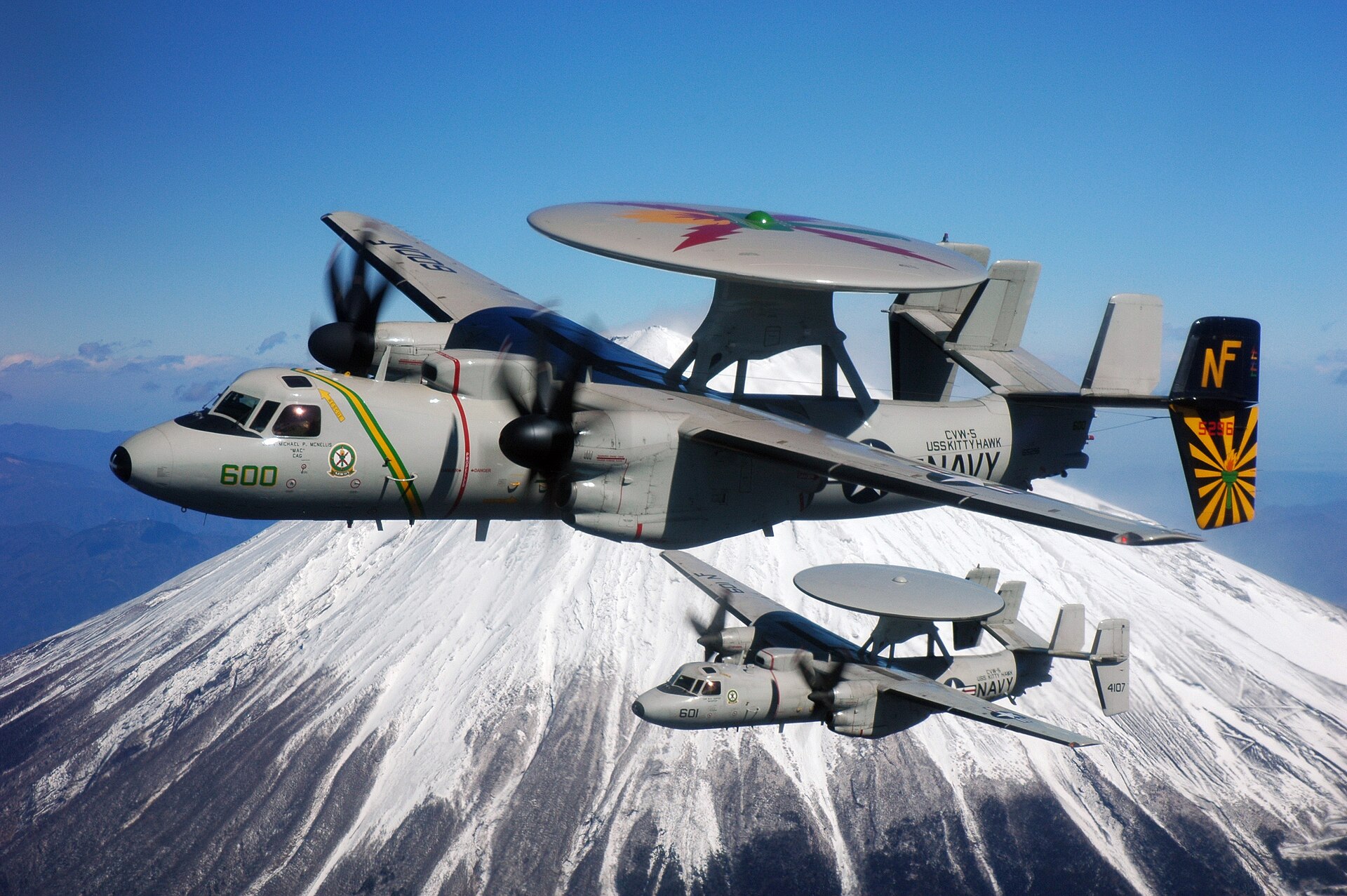 U.S. Navy photo by Lt. j.g. Andrew Leatherwood / Public domain via Wikimedia Commons
Snowshoeing at the 5th Station
The 5th Station of Mount Fuji is a popular starting point for many winter activities. It offers snowshoeing trails that are less frequented in winter, allowing for a peaceful experience. From this elevation, typically around 2,300 meters, snow conditions can be ideal from December through February. Reaching the 5th Station by car or bus, you will find numerous routes winding through the snow-laden trees. The varied terrain presents opportunities for different skill levels. The breathtaking views of the surrounding landscape and the chance to photograph the mountain itself make this a must-visit during the winter months.
While snowshoeing, keep in mind that temperatures can drop significantly. Dressing in layers is advisable. Snow and ice can make trails challenging, so ensure your footwear is suitable for winter trekking. Seek out local guides who know the terrain for safety and a richer experience.
The Villages of Fujiyoshida and Kawaguchiko
The towns of Fujiyoshida and Kawaguchiko boast a charming atmosphere in winter. Both towns offer access to hidden gems Mount Fuji winter that many visitors overlook. Wandering through the quaint streets, you might discover traditional ryokan, local shops, and quaint cafes serving warm Japanese cuisine. The Yamanashi region is famous for its hot springs, most notably in the area of Fujiyoshida. After a day of snowshoeing, it is a wonderful experience to unwind in a steaming onsen.
The villages also serve as excellent bases for accessing lesser-known snowshoeing trails. Nearby national parks, such as the Fuji-Hakone-Izu National Park, contain hidden pathways through serene forests and along stunning lakeside views that are particularly enchanting under a blanket of fresh snow. These peaceful corners allow for reflection and seclusion often missed in warmer months.
Ice Climbing Opportunities
Just outside of the main tourist routes, the region around Mount Fuji is dotted with excellent ice climbing spots. Locations like the Osaki Shrine area offer frozen waterfalls that provide a thrilling climbing experience. While ice climbing requires expertise and the right equipment, it can be a rewarding addition to a snowy excursion. Ensure you are in good physical shape and have proper training before attempting these climbs, as winter safety is paramount.
Ice climbing tips:
- Seek guidance from professional instructors familiar with local climbing conditions.
- Always wear helmets and carry safety gear.
Hidden viewpoints for photography
Winter around Mount Fuji presents unique photographic opportunities. The contrast of the white snow against the blue sky creates stunning vistas, especially at dawn and dusk. Lesser-known viewpoints, such as the shores of Lake Yamanaka or the fields around Lake Sai, can provide a peaceful backdrop for capturing the wintry essence of the mountain. These scenic spots are generally uncrowded during winter, allowing for uninterrupted photography sessions.
Conditions and safety considerations
Winter weather around Mount Fuji can be unpredictable. The average temperatures range from -5°C to 5°C, with wind chill making it feel colder. Snow accumulation differs based on elevation and can affect trail conditions. Always check local weather conditions before heading out, as quickly changing weather can lead to unsafe situations. Staying informed and prepared for cold, windy conditions will enhance your experience significantly.
Wearing layered, insulated clothing designed for winter hiking will keep you comfortable. Carrying sufficient food, water, and emergency supplies is also critical, especially if you're venturing into lesser-known areas.
Winter travel tips
When planning your snowshoeing trip around Mount Fuji, consider the following essentials:
- When to go: The peak winter months from December to February offer the best snow conditions. However, be prepared for shorter daylight hours.
- Packing essentials: Bring waterproof boots, warm clothing, gloves, and hats. Consider carrying extra snacks and a thermos with a hot drink for breaks.
Why book through a local operator
Booking through a local operator provides significant advantages. Licensed local guides not only ensure your safety but also facilitate access to the best-hidden gems Mount Fuji winter. Their knowledge of the area can enhance your experience, as they can take you to hidden trails and viewpoints that tourists often miss. Additionally, local operators often offer fair pricing, which can be competitive against larger international platforms while supporting the community.
Connections with local culture
A winter trip around Mount Fuji offers more than just outdoor activities; it is also an opportunity to connect with Japan's rich culture. Visiting local restaurants and cafes allows you to enjoy seasonal dishes that warm you up after a day in the cold. Be sure to try warming bowls of nabe or hot sake, both of which are perfect for fuelling your winter adventures.
Frequently asked questions
Are snowshoes necessary for all winter outings around Mount Fuji?
Not necessarily. While snowshoes help navigate deep snow, some trails may be compacted and accessible without them. However, for deeper powder areas, they are advisable.
Is Mount Fuji good for beginners in winter?
While the 5th Station is accessible and offers options for beginners, winter conditions can make even simple trails challenging. It is recommended to assess your skill level and consider guided tours for safety.
Do you need a guide in winter?
Hiring a guide is highly advisable for safety and local insight, particularly given changing weather conditions and challenging terrain in winter.
Can you see Mount Fuji from the 5th Station in winter?
Yes, on clear days the views of Mount Fuji from the 5th Station are spectacular. The snow-capped landscape provides a breathtaking backdrop for photography.
What are the transport options to the Fuji Five Lakes region in winter?
Buses and trains run regularly to the region, though schedules may vary in winter. It is recommended to check transit options in advance for any seasonal changes.
Explore more of Japan in winter
Keep planning with winter guide to Yakushima Island and scuba diving in Okinawa Main Island. When you are ready, tell the Roundtripski concierge what you want and we will build a bookable, day by day winter trip with licensed local operators.


