Seasons · Japan
Why Winter Is the Best Time for Snowshoeing in Mount Fuji
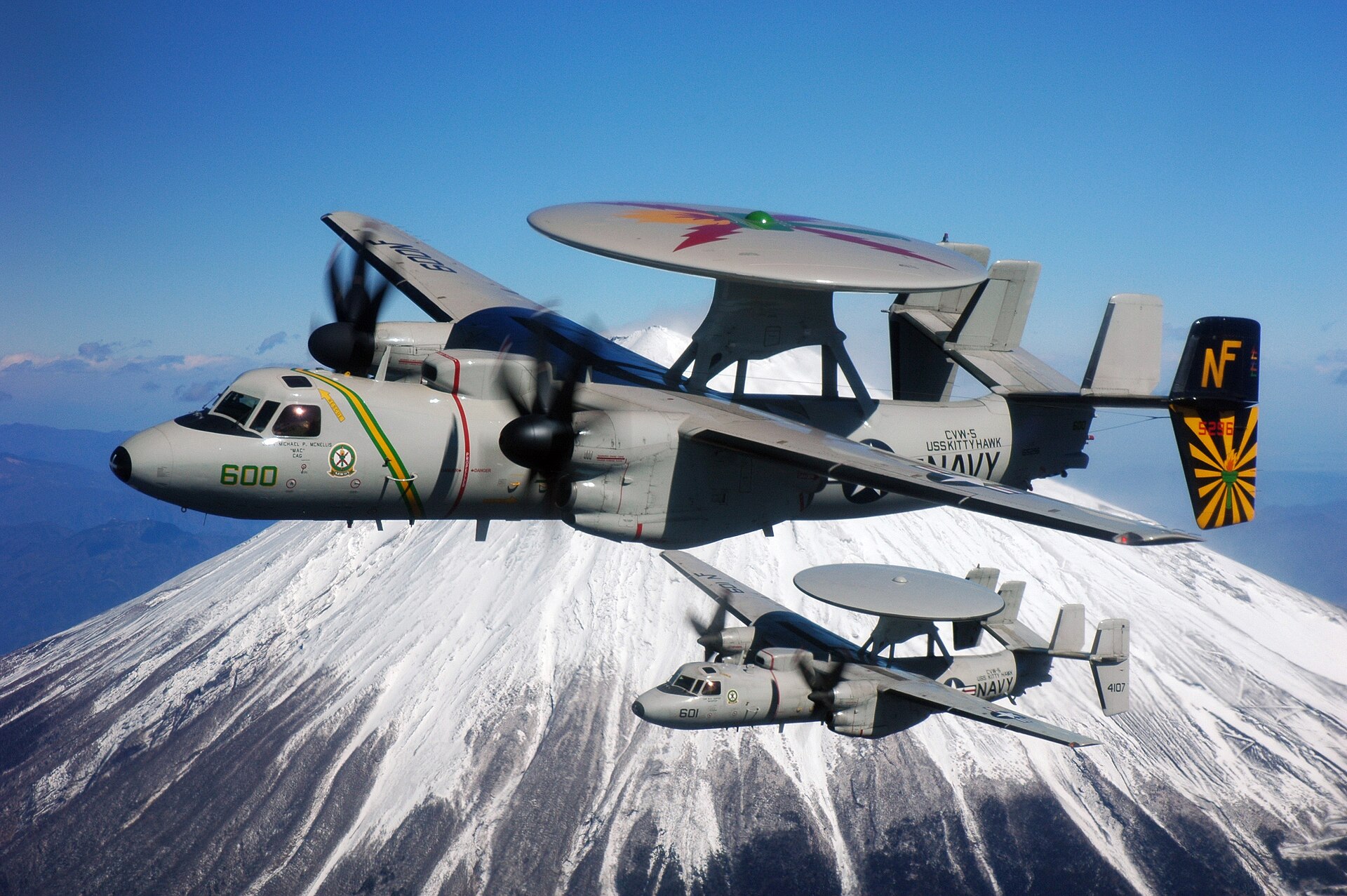
U.S. Navy photo by Lt. j.g. Andrew Leatherwood / Public domain via Wikimedia Commons
Winter transforms Mount Fuji into a serene wonderland, making it an ideal time for snowshoeing. This majestic peak, present in Japanese culture, offers a distinctive experience during the colder months. The subdued beauty of the snow-covered landscape, combined with the crisp winter air, creates a sense of adventure that is unmatched. If you are an experienced mountaineer or an avid snowshoer, winter's allure at Mount Fuji is a call to explore its trails.
 Katsushika Hokusai / Public domain via Wikimedia Commons
The unique beauty of winter snowshoeing Mount Fuji
Winter snowshoeing Mount Fuji reveals the peak in its most enchanting form. Surrounded by the five lakes, the area offers stunning vistas that change throughout the day. Early mornings bring soft blues and pinks as the sun rises, while the afternoon sun makes the snow glisten, creating perfect photographic opportunities. The trails take you through glades of snow-laden trees and open areas with breathtaking views of the surrounding landscape.
As one of Japan's highest peaks, Mount Fuji's elevation leads to diverse winter environments. The weather is less predictable than in summer, making winter snowshoeing both challenging and rewarding. The silence of the snowy landscape enhances the experience for those who seek solitude in their adventures, away from the bustling tourist crowds typical of the warmer seasons.
Cold weather realities
Winter temperatures around Mount Fuji can be severe, often reaching lows below -10°C (14°F) at the 5th Station. Snowfall varies greatly year to year. Typically, the snow depth can reach around 80 cm (31 inches) or more by February. As such, it is essential to prepare adequately for the cold. Novice snowshoers should not underestimate the effects of cold weather on their bodies, particularly concerning frostbite and hypothermia.
Strong winds at higher altitudes can enhance the chill factor significantly. Make sure to check weather forecasts and be willing to adjust your plans as safety comes first in these conditions. The limited daylight hours of winter also necessitate early starts, sunrise occurs around 6:40 AM in December, so planning and time management are crucial.
Snow conditions and trail accessibility
Accessible trails for winter snowshoeing Mount Fuji mainly start from the 5th Station, which is roughly 2,300 meters (7,546 feet) above sea level. With winter snowpack, trails can be intermittent, so checking the latest trail conditions before venturing out is wise. Official trail openings may vary depending on snowfall and safety concerns. In some cases, local guides use their knowledge to navigate unmarked paths, ensuring a safe and pleasant experience.
The beautiful snowflakes enveloping the landscape can make some areas more suitable for snowshoeing than others. The terrain holds hidden obstacles under the snow that experienced snowshoers need to navigate wisely. Visibility can falter in snowstorms, requiring trekkers to be extra cautious.
The rewards of winter summit attempts
While summit attempts in winter present additional risks, they offer a unique challenge for seasoned adventurers. The path to the summit is often less crowded compared to summer, allowing a more solitary ascent. However, it is essential to have the proper equipment such as ice axes, crampons, and avalanche safety gear. Higher altitudes expose you to the dangers of altitude sickness, and the cold can become extreme as you ascend.
Winter conditions change rapidly, and even experienced climbers must be extremely cautious. It is advisable to join guided tours where local guides can provide expertise and knowledge of the mountain's conditions. Climbing the summit of Fuji in winter can be spiritually rewarding, with clear skies often yielding brilliant views over the surrounding landscape.
Nearby winter activities
In addition to snowshoeing, several winter activities add to the allure of visiting Mount Fuji in winter. Ice climbing is popular in the region, particularly around the nearby lakes where frozen waterfalls create ideal routes for climbers. Local operators frequently offer ice climbing packages, combining instruction and equipment for various skill levels.
Additionally, winter hiking trails provide alternative experiences. Each season brings a sense of adventure, but winter's unique conditions add a magical touch to any visit. Discovering the surrounding area while snowshoeing can lead to beautiful vistas, making the overall experience of trekking in winter more rewarding.
Winter travel tips
When packing for winter snowshoeing Mount Fuji, bear in mind that layering is essential. Consider a moisture-wicking base layer, insulating mid-layer, and waterproof jacket. Insulated gloves and gaiters are key to blocking cold and wetness. Footwear should be waterproof and provide good traction with warm wool or synthetic socks.
Winter can also draw smaller crowds compared to summer, often allowing adventurers to enjoy the serene beauty without the usual throngs in warmer months. However, accommodation may be limited, so booking ahead is advisable, especially around major holidays.
Why book through a local operator
When considering winter snowshoeing Mount Fuji, booking through a licensed local operator offers significant advantages. Local guides possess extensive knowledge of the terrain, ensuring a safe and enjoyable experience. Certified guides can provide insight into the area's winter conditions, helping navigate the stunning environment safely.
Moreover, partnering with local operators ensures that you receive fair value compared to larger tour platforms. The local community benefits directly from your experience, as your contributions help preserve this awe-inspiring environment.
Frequently asked questions
What is the best time to go snowshoeing on Mount Fuji in winter?
The best time for winter snowshoeing Mount Fuji is from December to February. Snow conditions are optimal during these months, and the landscape is beautifully transformed.
Do I need special gear for snowshoeing on Mount Fuji?
Yes, winter-specific gear is crucial for safety. It is advisable to have insulated clothing, snowshoes, trekking poles, and potential avalanche safety equipment. Consider guided options if you lack experience with handling winter conditions.
Is snowshoeing on Mount Fuji safe during winter?
Yes, as long as you are well-prepared and informed. Winter conditions present challenges, so ensure you have the right gear. Booking local guides can significantly enhance safety and access.
How do winter temperatures affect snowshoeing on Mount Fuji?
Winter temperatures can drop below -10°C, impacting physical exertion and equipment performance. Ensuring you are well-layered and equipped for cold conditions is essential for a safe adventure.
Are winter crowds at Mount Fuji manageable?
Winter generally sees fewer tourists compared to summer. Adventurers often enjoy a more peaceful trek, although proper planning for transport and accommodation is still recommended.
Can I experience other activities besides snowshoeing in winter?
Yes, ice climbing and winter hiking are popular winter activities in the region. A local operator can provide additional information on guided options for these adventures.
Explore more of Japan in winter
Keep planning with winter guide to Yakushima Island and scuba diving in Okinawa Main Island. When you are ready, tell the Roundtripski concierge what you want and we will build a bookable, day by day winter trip with licensed local operators.


