Guides · Austria
Snowshoe hiking: What to Know Before You Go
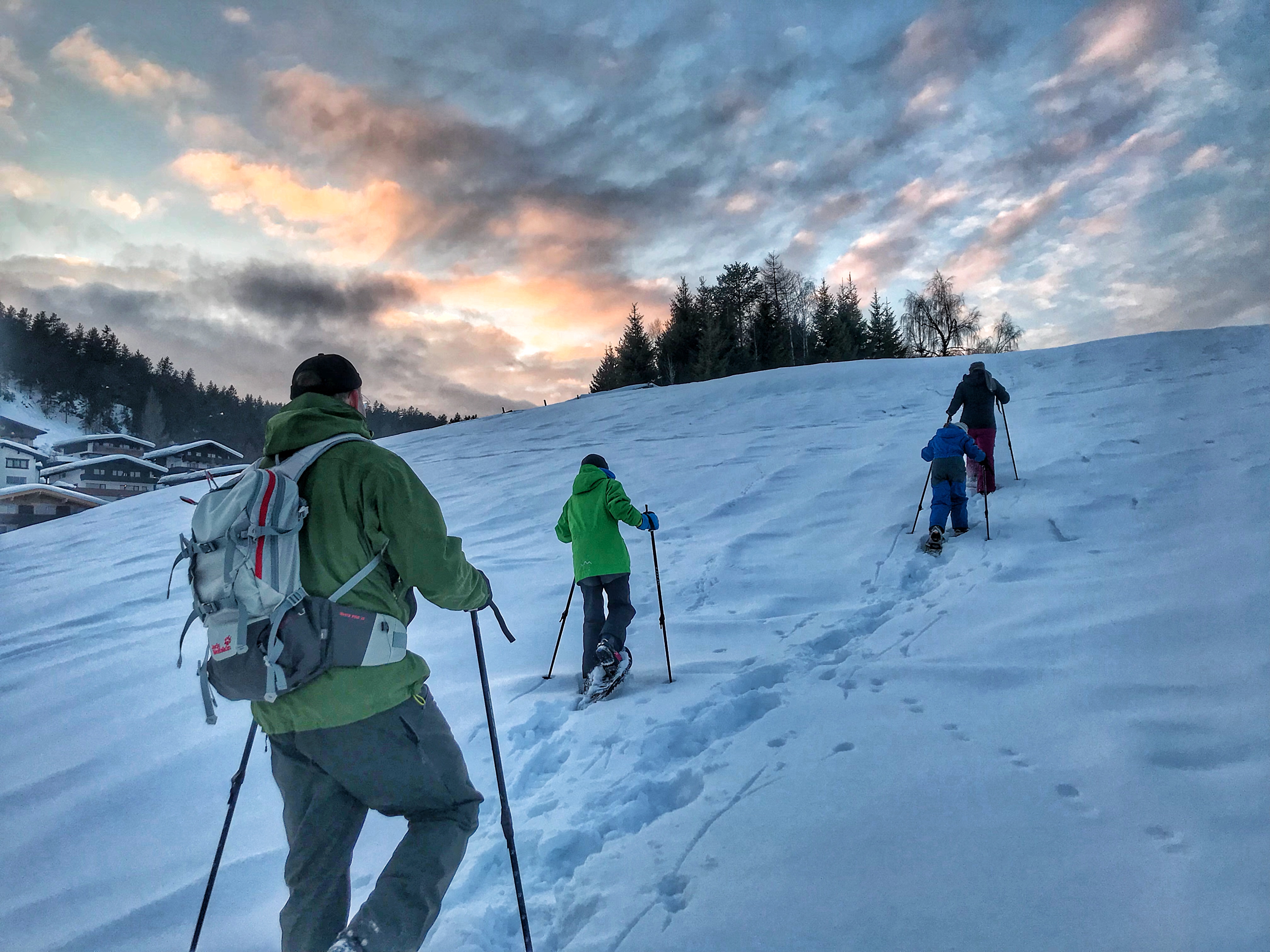
Seefeld in Tirol, Austria, offers an idyllic backdrop for snowshoe hiking in the winter season. This charming village, nestled within the Tyrolean Alps, transforms into a white wonderland, perfect for exploring its stunning landscapes on snowshoes. With Bergschule Seefeld as your guide, you can immerse yourself in the serene beauty of the region's snow-covered trails.
What to expect
The snowshoe hiking experience in Seefeld begins with an insightful introduction from the knowledgeable instructors at Bergschule Seefeld. The duration of the hike is approximately four hours, allowing for a leisurely pace and ample time to appreciate the natural surroundings. The guides will equip you with the essential snowshoes and poles, ensuring that you are well-prepared for the adventure ahead.
As you traverse the pristine terrain, you will navigate through idyllic forests and open meadows, with the breathtaking backdrop of the surrounding mountains. The route offers a moderate level of difficulty, rated at 3 out of 5, and is suitable for those with a moderate fitness level. It is a fantastic opportunity to enjoy the tranquillity of the winter landscape while learning about the local flora and fauna from your guide.
Who it suits
This snowshoe hiking experience is ideal for anyone seeking an active winter adventure in a stunning mountain setting. Whether you are an experienced hiker looking to try snowshoeing for the first time or a beginner eager to learn, this guided tour is designed to accommodate various skill levels. Children aged 12 and older can join the hike, making it a family-friendly activity. Couples and groups of friends will also find the experience enjoyable, as it fosters camaraderie amidst the beauty of nature.
Best time to go
The best time for snowshoe hiking in Seefeld is typically from late December through March. During these months, the region enjoys consistent snowfall, creating a reliable snowpack ideal for snowshoeing. Each season offers a unique charm; for example, January often sees the landscape blanketed in fresh snow, while March can offer slightly milder temperatures and longer daylight hours, perfect for extended hikes. Keep in mind that early mornings can be particularly magical, with the sunrise illuminating the snowy vistas.
What to bring
For a successful snowshoeing adventure, proper preparation is key. Here are some essential items to pack for your day out on the trails:
- Warm, waterproof clothing: Layering is critical when tackling winter hikes, so ensure you wear thermal base layers, an insulating mid-layer, and a waterproof outer layer to protect against the elements.
- Sturdy, insulated footwear: It is important to have warm and waterproof boots that provide good ankle support. Make sure they are compatible with snowshoes.
- Accessories: A warm hat, gloves, and a neck gaiter or scarf are essential to keep you comfortable in the cold.
- Hydration and snacks: Carry a water bottle to stay hydrated throughout the hike and pack some energy-boosting snacks, such as trail mix or energy bars, to refuel along the way.
- Sunscreen and sunglasses: Even in winter, UV rays can be intense, particularly when reflecting off the snow. Protect your skin and eyes to avoid sunburn.
The snowshoe hiking experience in Seefeld is an excellent way to connect with nature while enjoying a physical challenge. You can conveniently book your adventure through Bergschule Seefeld on Roundtripski, ensuring a well-organized and enjoyable outing. Whether you are a seasoned outdoor enthusiast or exploring the snow-covered mountains for the first time, snowshoe hiking in this picturesque alpine environment is sure to be a memorable experience.