Seasons · Japan
Snowshoeing in Mount Fuji for Beginners (2026)

Katsushika Hokusai / Public domain via Wikimedia Commons
Snowshoeing around Mount Fuji offers a unique experience during the winter months. As Japan's highest peak, the snow-covered landscape provides breathtaking views, serenity, and opportunities for adventure. Whether you are an experienced mountaineer, a beginner snowshoer, or a photographer seeking stunning winter scenes, snowshoeing Mount Fuji for beginners in 2026 presents a chance to explore the beautiful surroundings while learning a new skill.
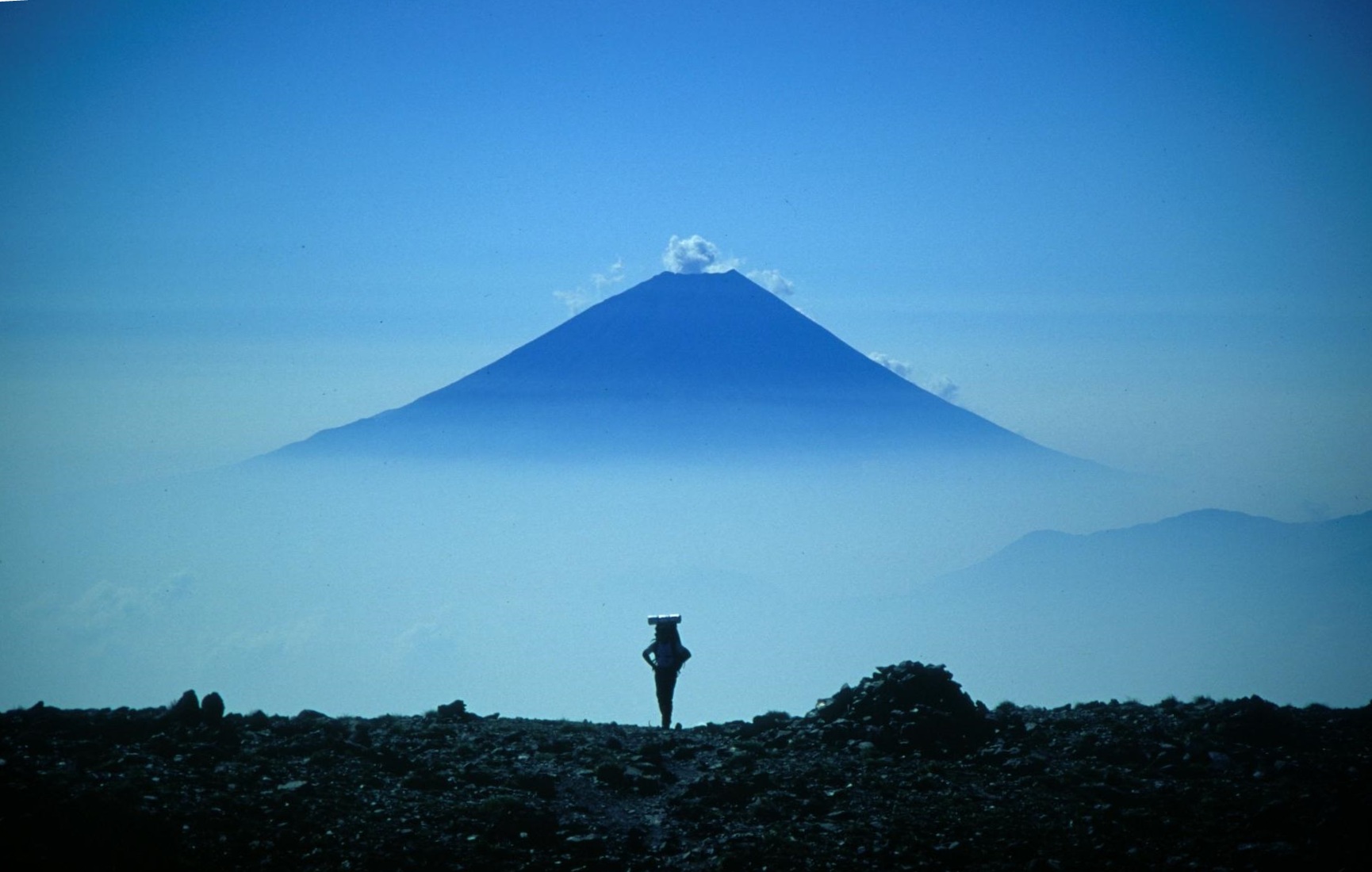
In winter, temperatures around Mount Fuji can drop to -10°C (14°F) or lower, particularly at higher elevations. The snow can create beautiful scenery but also presents challenges. Daylight is limited, with only about nine hours of usable light during the winter months, so planning your snowshoeing route and timing is crucial. Notably, conditions can vary based on snowfall, and the trails can be icy, making proper gear and skill levels important. Expect stunning vistas of not only Mount Fuji itself but also of surrounding peaks and lakes that are blanketed in white.
 Alpsdake / CC BY-SA 3.0 via Wikimedia Commons
Snowshoeing basics for beginners
If you are new to snowshoeing, understanding the basics can significantly enhance your experience. Snowshoeing is a low-impact activity that allows you to walk across snow with specially designed shoes that prevent you from sinking. The fundamental technique involves walking as you typically would, although the larger surface area of snowshoes means you may need to adjust your stride. Imagine the ease of traversing through a serene expanse of snow while the crisp winter air fills your lungs.
While the activity itself is relatively simple to pick up, novices should consider a guided experience to learn techniques and maximize their enjoyment. Guided tours often include instruction that helps first-timers acclimate to the gear and the walking style that is best suited for snowshoeing. Local guiding companies, such as Mount Fuji Snow School or Fuji Adventure Center, offer tailored experiences for beginners, and joining one can make the entire trip much more enjoyable.
Skills and lessons
For first-time snowshoers, taking a lesson is advisable. Local operators frequently offer group lessons tailored for beginners. These sessions typically cover essential techniques, safety practices, and tips on navigating snowy terrain. By learning from professionals, beginners can gain confidence and a greater appreciation for the winter landscape. An average lesson lasts around 2 to 3 hours and combines walking techniques, tips on maintaining balance, and advice for handling varying snow conditions.
The following skills will be beneficial when embarking on your snowshoeing journey:
- Basic Walking Techniques: Learn how to distribute your weight effectively across the snowshoes.
- Turning and Stopping: Familiarize yourself with how to turn your body and stop safely on inclines.
- Navigating Elevation: Understanding how to approach hills can help immensely, especially in snowy environments where footing is less stable.
Whether through one-on-one lessons or a group setting, the boost in confidence from acquiring these skills is invaluable when exploring Mount Fuji.
Gear and rental options
When embarking on your snowshoeing adventure, the right gear is vital. Most importantly, you will need snowshoes and poles, which can be rented from various local shops in the Fuji Five Lakes region, such as Fuji Mountain Equipment and Outdoor Shop. Rental rates generally fall between ¥3,000 and ¥5,000 (approx. €20 to €35 / $22 to $38) for a day, which is economical compared to purchasing new gear for a first-time experience.
It is advisable to rent gear as opposed to purchasing it, especially for first-time snowshoers. Ensure to dress in layers and include waterproof boots, warm socks, and breathable base layers to keep comfortable. A daypack with water and snacks is also essential for hydration and energy. In addition to winter apparel, consider wearing gaiters to prevent snow from entering your boots, as well as gloves or mittens for warmth.
Aside from snowshoes, additional essentials may include:
- Avalanche Safety Gear: In some areas, especially if venturing off the beaten path, carrying a beacon, shovel, and probe may be wise.
- Navigation Tools: A map, compass, or GPS device can be invaluable, especially if you aim for less crowded trails.
- First Aid Kit: Just in case of minor injuries, it is crucial to pack basic medical supplies.
Navigating the 5th station
The 5th station on Mount Fuji serves as a primary starting point for snowshoeing adventures. Located at an altitude of 2,300 meters (7,546 feet), this area provides stunning views and relatively easier trails for beginners. The trails here are generally well-marked and are less technical than higher elevations, making them more suitable for novice snowshoers. Some popular trails include the Yoshida Trail and the Fujinomiya Trail, each offering unique perspectives of the majestic mountain.
Of course, colder temperatures and variable weather can contribute to challenging conditions, so proper preparation is essential. Keep an eye on the weather forecast and respect the time of day, ensuring you return before dark. In the winter, visibility can change rapidly due to snow squalls, so carrying a flashlight or headlamp in case you get caught out later than planned is wise.
Additionally, consider the influence of weather on the snowpack. The presence of strong winds can create hard, icy crusts, while fresh powder may present a softer walking surface, making your experience vary dramatically from day to day. Familiarize yourself with basic avalanche safety practices, even if venturing on marked trails.
Nearby activities
In addition to snowshoeing, winter at Mount Fuji offers various activities for adventurous travelers. Ice climbing is an option for those seeking a challenge. Several guides in the area, such as Fujiyama Ice Climbing, can facilitate safe climbs with necessary instruction and equipment. Ice climbing generally ranges from ¥10,000 to ¥20,000 (approx. €60 to €120 / $65 to $130) for a day, making it accessible for those wanting to try something different.
Skiing is another popular option nearby, particularly at resorts like Fujiten Snow Resort. Here, snowboarding and skiing terrain cater to all skill levels. Often, resorts provide rental options and lessons similar to those found in snowshoeing tours. Of course, after a fulfilling day of physical activity, consider relaxing at one of the local onsen (hot springs). The area surrounding Mount Fuji has many onsen establishments, providing rejuvenating experiences after a day in the cold.
The stunning landscapes capture the attention of photographers looking to capture the beauty of winter on Mount Fuji. Dawn and dusk often showcase magical lighting that enhances the vivid colors of the sky contrasting against the stark white snow. Plan your trips to coincide with these moments, and consider bringing a tripod for stable shots.
Winter travel tips
When planning your snowshoeing trip to Mount Fuji, the winter months offer fewer crowds compared to summer, making for a more peaceful experience. Packing appropriately for cold temperatures and potentially harsh weather is critical. Essentials include thermal undergarments, windproof jackets, and hand warmers. Depending on your route, consider starting your day early to take advantage of daylight hours.
Always keep an eye on the weather forecast, as Mount Fuji is known for its changing conditions. It might be sunny one moment and snowing the next. Staying updated on local weather alerts can help you adjust your plans accordingly.
Another important aspect to consider is hydration. Even in cold weather, staying hydrated is essential. Remember to drink water frequently and carry a thermos of warm beverages for comfortable sipping.
Make sure to let someone know about your plans before you head out. While Mount Fuji is well-trodden, it's always wise to be cautious, especially when venturing into the winter wilderness.
Why book through a local operator
Booking a tour with a licensed local operator provides several advantages. Local guides possess in-depth knowledge of the terrain, weather conditions, and safer paths throughout the snow-covered landscape. This expertise can enhance your experience and ensure your safety. An experienced local guide can also help you find hidden gems, lesser-known viewpoints or quieter trails away from bigger crowds.
Additionally, local operators often provide fair pricing compared to larger platforms and allow you to support the community. Many businesses offer packages that include transportation, guide fees, rental equipment, and sometimes meals. This combination not only simplifies planning but also enhances the overall experience by reducing the stress of logistics.
Engaging with local operators often allows for a more personalized experience. Whether you want to dive deep into the cultural backgrounds of the trails or capture stunning photographs, local guides are equipped with this knowledge.
Frequently asked questions
Is snowshoeing suitable for families in winter?
Yes, many families enjoy snowshoeing during winter. Local guides usually offer family-friendly tours with gentle trails and safety measures for children.
What should I wear for snowshoeing?
Dress in layers, starting with thermal underwear, followed by a warm layer, and finish with a waterproof jacket. Ensure to wear waterproof and insulated boots to keep your feet warm and dry.
Do you need a guide in winter?
While it is possible to snowshoe without a guide, having one is recommended for safety and navigation. They can help you avoid hazardous areas and provide invaluable insights into the local environment.
Can I snowshoe if it has not snowed recently?
While ideal conditions occur after fresh snowfall, you can still snowshoe on packed trails. Ensure to check current conditions and guidelines, as they may vary with weather changes.
What is the average temperature in winter at Mount Fuji?
During winter months, expect average temperatures to range from -5°C (23°F) to -15°C (5°F) at higher elevations, with colder temperatures at the summit. Be prepared for rapidly changing conditions.
Are there guided tours available for winter snowshoeing?
Yes, numerous operators offer guided snowshoeing tours around Mount Fuji which include equipment rental, transportation, and experienced guides to enhance your experience.
Explore more of Japan in winter
Keep planning with winter guide to Yakushima Island and scuba diving in Okinawa Main Island. When you are ready, tell the Roundtripski concierge what you want and we will build a bookable, day by day winter trip with licensed local operators.


