Seasons · Japan
Why Book Snowshoeing in Mount Fuji Through a Local Operator
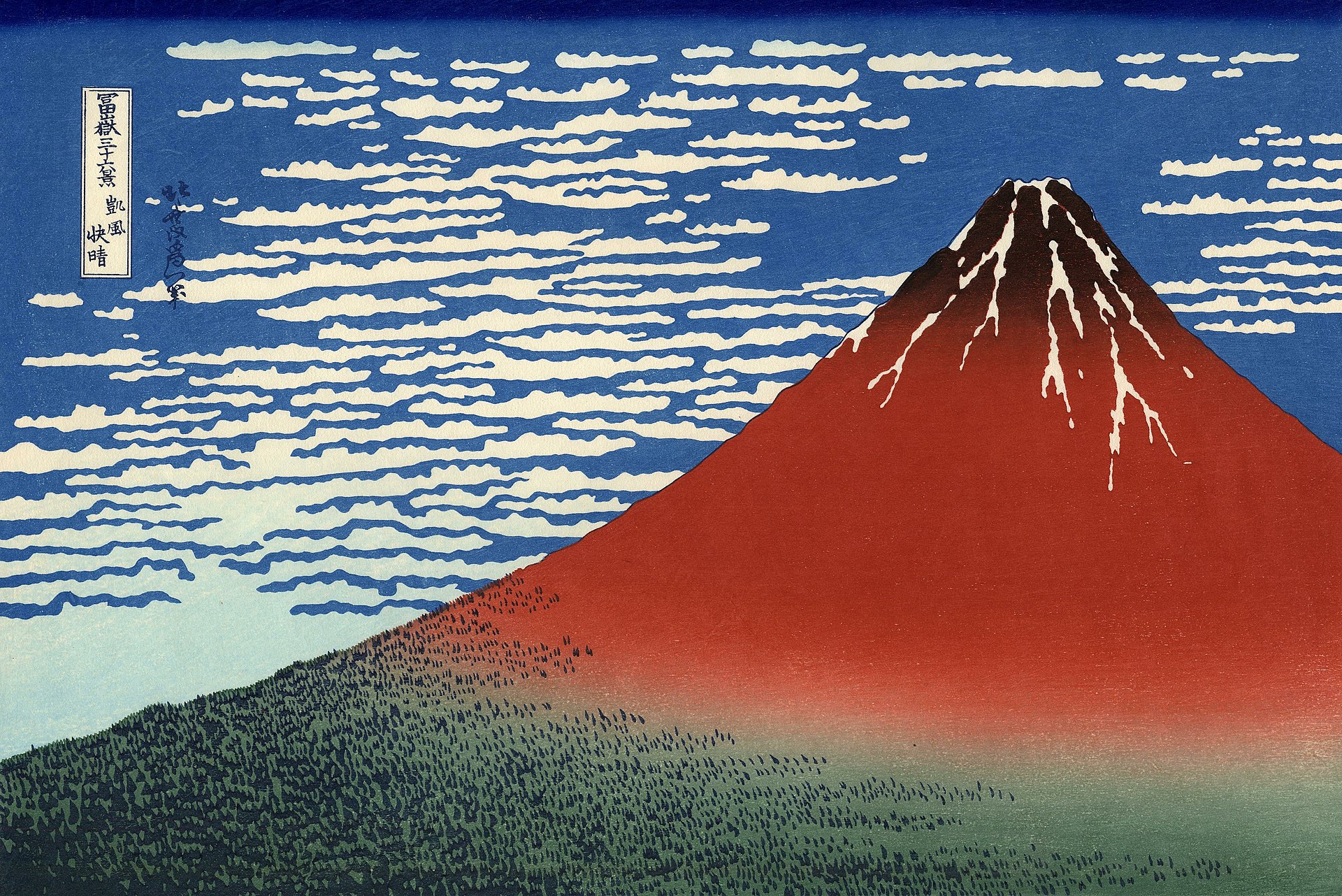
Katsushika Hokusai / Public domain via Wikimedia Commons
TITLE: Why Book Snowshoeing in Mount Fuji Through a Local Operator
ARTICLE: Winter transforms Mount Fuji into a stunning white wonderland. For those looking to explore its pristine trails via snowshoeing, the iconic mountain's foothills present an ideal playground. Using a licensed Mount Fuji local guide operator serves to enhance the experience significantly. It provides safety, local knowledge, efficiency, and a depth of understanding that cannot be found through large, generic booking platforms.
 Katsushika Hokusai / Public domain via Wikimedia Commons
Embracing winter at Mount Fuji
The winter season unveils a different side to Mount Fuji, one that is both strikingly beautiful and potentially challenging. Snow blankets the landscape, offering numerous opportunities for adventure that are unique to this time of year. Daylight is limited, with the sun typically rising around 7:00 AM and setting by 5:00 PM. This highlights the importance of beginning excursions early, allowing for maximized time and ensuring safe travel during the shorter daylight hours.
Snowshoeing at the 5th Station, one of the most popular spots on the mountain, serves as a base for various winter activities. Located at an elevation of approximately 2,300 meters, the 5th Station is both accessible and surrounded by breathtaking trails like the Yoshida Trail. This kind of access allows adventurers to easily embark on their snowshoeing journeys with a knowledgeable guide, who can navigate the ever-changing conditions of the season.
Winter snowshoeing conditions
Snow conditions in winter can vary significantly from day to day. You might encounter light powder, which is delightful to walk through, or wetter, heavier snow that can complicate your trek. Depending on the weather and time of day, temperatures at this elevation can plunge, often reaching below -5°C. Morning temperatures can be especially frigid, while afternoons might feel milder, often hovering around 0°C.
The accumulation of ice can create slippery sections on the trails. Local guides are invaluable in these scenarios. They help navigate areas where ice is likely to form and can instruct on the best techniques for traversing both soft snow and icy patches, which will not only enhance safety but also ease your journey.
As you plan your snowshoeing adventure, consider that snow depths can range from just a few centimeters to over a meter, depending on the snowfall experienced earlier in the season. This variability means that well-maintained paths often change, which is why local knowledge is key.
Locally guided snowshoeing experiences
Engaging a local guide operator for your snowshoeing journey not only enhances your safety but also enriches your entire experience. Licensed guides are well-acquainted with the terrain, weather patterns, and potential hazards, allowing them to anticipate challenges and adjust plans accordingly. They also often have deep knowledge of the local ecology, including the various species of flora and fauna that thrive in this cold climate, adding layers of interest to the journey.
Local operators frequently design their routes to accommodate varying skill levels, from beginner to expert. For instance, a typical route might begin at the 5th Station and branch out toward more challenging zones like the Gotenba area for those looking for a workout. Local guides can easily determine the safest trails based on current weather conditions and your experience level, ensuring that everyone has an enjoyable day on the mountain.
These operators often include equipment rental in their packages, which can be a significant advantage for travelers. Renting snowshoes and trekking poles can save time and hassle, as you won't need to worry about transporting gear from home. Many local guides also provide safety equipment such as helmets or crampons, depending on conditions, which can augment your safety on steep or icy terrains.
The value of local knowledge
Choosing a local guide operator offers benefits that extend well beyond mere convenience. A central aspect of their service is the extensive knowledge they possess about Mount Fuji, which naturally extends to surrounding areas like the Five Fuji Lakes. This kind of local expertise is crucial when considering that conditions can differ drastically based on microclimates present in different regions of the mountain.
Having a local guide means engaging with the stories and culture embedded in the landscape. For example, many guides are passionate about sharing the tales of the area’s historical significance, including the connection to Japanese spirituality and the reverence with which Mount Fuji is held in local tradition. This aspect adds fulfillment beyond just the physical experience, providing an educational layer that is often missing from large booking platforms.
Additionally, local operators often foster personal connections with their clients, taking the time to tailor experiences to your interests or skill levels. This might mean arranging a customized route that takes you to scenic spots that aren’t prominent on standard touring maps, ensuring a memorable adventure uniquely catered to you.
Winter travel tips
As you prepare for your snowshoeing adventure, here are several essential tips:
- Dress in layers: The cold can be deceptive, especially when you start activity. Ensure you're prepared for fluctuating temperatures by dressing in multiple layers. This approach allows you to adjust your clothing as needed to maintain comfort.
- Invest in proper footwear: Waterproof boots designed for winter hiking are vital for keeping your feet warm and dry. Models with good insulation and traction are recommended to navigate snowy conditions more safely.
- Hydration is vital: It’s easy to overlook hydration when it’s cold outside. Use insulated water bottles to help prevent freezing, and aim to drink regularly to maintain your energy levels, especially at altitude.
- Choose the right time: While winter crowds are lighter than in warmer months, weekends can see increased foot traffic. If you have flexibility, aim for a weekday excursion to enjoy a less crowded experience on the trails.
The landscape during winter opens up extraordinary photo opportunities, with breathtaking vistas and opportunities for stunning images of the sunrise over the snow-covered peaks. Early morning or late afternoon provide ideal lighting for photography; plan your adventure accordingly to capture these moments.
Nearby winter activities
Winter at Mount Fuji is a tapestry of activities beyond snowshoeing. For experienced climbers, winter summit attempts draw those eager to conquer the peak amid the challenges of snow and ice. However, this pursuit is not for the faint-hearted and demands thorough preparation and equipment, which may include specialized gear such as crampons and ice axes. Local guides can provide vital assistance in ensuring that your ascent is both safe and exhilarating.
Another thrilling nearby option is ice climbing. With frozen waterfalls and vertical walls available within local guiding services, enthusiasts can engage in ice climbing trips that vary in difficulty. These excursions provide an adventurous thrill for those seeking new challenges. Local operators sometimes create combined experiences where participants can enjoy both snowshoeing and ice climbing in one customizable trip, enhancing the overall adventure and maximizing time spent in this winter wonderland.
Frequently asked questions
Is snowshoeing safe in winter at Mount Fuji?
Snowshoeing can be safe as long as you have appropriate gear and a proper understanding of the conditions. It is recommended to go with a local guide operator who has knowledge of the trails and potential hazards.
What should I wear for snowshoeing in winter?
Dressing in layers is key. Start with moisture-wicking base layers, add insulating mid-layers, and finish with a waterproof outer layer to protect against wind and snow. Additionally, thermal socks and insulated boots are essential.
Do you need a guide in winter?
While it is possible to snowshoe alone, hiring a local guide is highly recommended. They can ensure your safety and enhance your experience by providing insightful local knowledge, making your journey rewarding.
How long is a typical snowshoeing trip?
Most guided snowshoeing tours last around 4 to 6 hours, depending on the route, conditions, and group experience level. Make sure to check with your local operator for specific timings.
What are the best times for photography during winter?
Early morning and late afternoon offer the best light for photography. The winter snow creates vibrant scenery, and moments like sunrise and sunset over the peaks offer stunning photographic opportunities.
Are there any risks associated with winter hiking?
Yes, winter hiking carries risks such as hypothermia, frostbite, and avalanches in certain areas. Proper gear, preparation, and local guidance significantly reduce these risks, ensuring a safe and enjoyable adventure.
Explore more of Japan in winter
Keep planning with winter guide to Yakushima Island and scuba diving in Okinawa Main Island. When you are ready, tell the Roundtripski concierge what you want and we will build a bookable, day by day winter trip with licensed local operators.


