Seasons · Japan
What to Expect in Zao Onsen in Winter: December, January and February

alonfloc / CC BY 3.0 via Wikimedia Commons
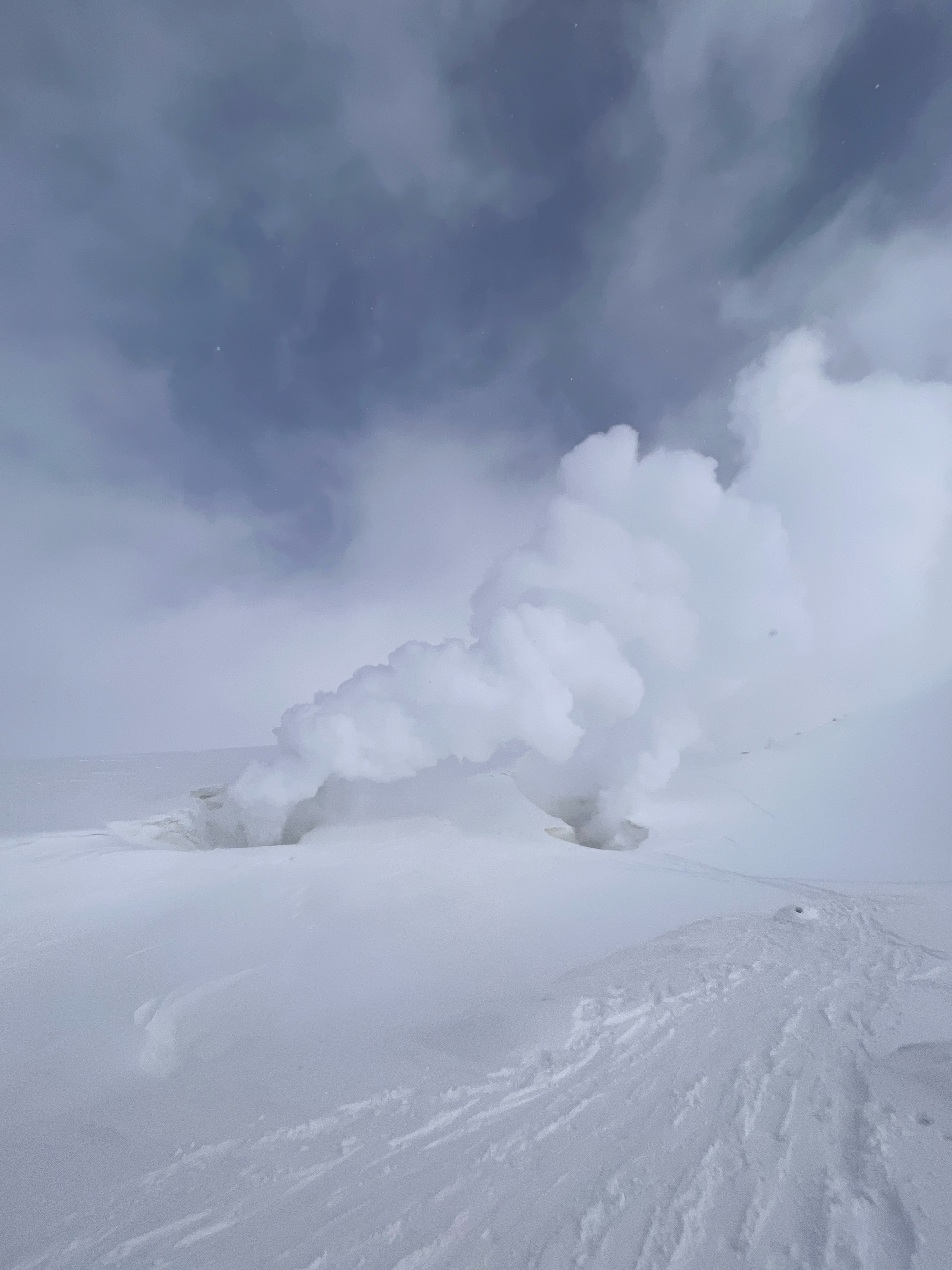
Zao Onsen in winter offers a unique blend of skiing and hot spring relaxation amid its famous frost-caked snow monsters, known as juhyo. This Japanese destination is ideal for families, photographers, and onsen enthusiasts seeking winter sports and scenic beauty. Here, we'll explore the winter experience in Zao Onsen throughout December, January, and February, giving you a comprehensive overview of what to expect during your visit.
 まるちゃん at Japanese Wikipedia / CC BY-SA 3.0 via Wikimedia Commons
December: The beginning of winter wonderland
December marks the start of the ski season in Zao Onsen in winter, with the area typically seeing its first significant snowfall early in the month. Temperatures during this time can range from -5°C to -1°C (23°F to 30°F), so visitors should prepare for chilly conditions.
With an average snowfall of around 3 meters by mid-December, the resort transforms into a winter wonderland, and the juhyo frosts begin to form. By late December, the ski resorts are buzzing with activity, as both locals and visitors flock to the area to enjoy the slopes. Crowds can become sizeable around the Christmas holidays, so it's wise to book accommodations early if you plan to visit during this peak time.
Zao Onsen has roughly 25 kilometers of well-groomed pistes suitable for all levels of experience. Beginners can take advantage of the wide, gentle runs to build confidence, while those seeking more challenging terrain can explore intermediate and advanced trails. The resort's vertical drop of approximately 1,000 meters ensures plenty of options for skiers of all abilities.
Ski conditions in December can vary, and many enthusiasts recommend checking the snow reports regularly. Despite the cold, the powder conditions are often excellent during this early winter month.
January: The height of winter
January is often regarded as the best month for skiing in Zao Onsen in winter. Average temperatures continue to hover between -6°C and -2°C (21°F and 28°F), with January snowfall reaching around 4 meters, creating a blanket of fresh powder ideal for skiing.
During this month, the resort is less crowded than in December, particularly in the first half of January. It provides skiers and snowboarders with an opportunity to enjoy the slopes without feeling rushed. The juhyo become even more prominent, attracting photographers eager to capture their eerie beauty against the serene landscape.
In terms of skiing conditions, January typically offers a great mixture of powder and groomed runs. The resort's ski runs feature a good selection of beginner, intermediate, and advanced options, ensuring that everyone can find something to suit their preferences. Visitors can explore powder-filled areas off the beaten path, providing an exciting challenge for more experienced skiers.
February: A breathtaking finale
February is the peak month for snow activities at Zao Onsen in winter. The weather remains cold, with average temperatures between -7°C and -3°C (19°F to 27°F), and the area typically sees its highest snowfall during this period, with totals reaching 5 meters. The likelihood of clear days increases, offering stunning views of the area’s unique landscape.
As the winter season progresses, the juhyo formations turn into spectacular sculptures, attracting winter photographers and visitors alike. This month is particularly ideal for families looking to enjoy the beautiful scenery and partake in various winter activities, including snowshoeing and forest walks.
While the crowds in February can increase significantly, especially during weekends, there are still quieter times to be found. Early mornings are often less busy, allowing families to enjoy quality skiing time together. The skiing conditions in February remain excellent for all levels, with a mix of powder and well-maintained groomed runs.
Winter activities beyond skiing
While skiing is undoubtedly the main attraction in Zao Onsen in winter, there are several other winter activities worth exploring. Visitors can enjoy snowshoeing through the frosty forests, providing stunning views of the juhyo-covered trees. These excursions are perfect for those wanting a slower pace and a chance to connect with nature.
Photography enthusiasts will find the winter landscape irresistible, capturing the majestic juhyo and snow-laden scenery is a treat for any photographer. Additionally, Zao Onsen’s onsen (hot springs) offer a chance to relax and recharge after a day on the slopes.
Winter travel tips
When planning your trip to Zao Onsen in winter, it’s essential to pack for the cold. Layers are crucial, as temperatures can vary throughout the day. Consider bringing waterproof outerwear, thermal insulation clothing, gloves, and a warm hat. Ski goggles and sunscreen are also important to protect your eyes from the sun reflecting off the snow.
Mid-January to early February is often the best time for fewer crowds and excellent conditions, but plan your visit around weekends and national holidays if possible.
Why book through a local operator
Booking through a local operator offers numerous benefits that can enhance your experience in Zao Onsen in winter. Local guides possess extensive knowledge of the ski runs, ensuring you can access the best terrains based on your skill level. They can provide insights into the area's history, culture, and hidden gems, enhancing your overall experience.
Additionally, local operators ensure safety by guiding you through possible hazards on the slopes, including weather conditions and avalanche risks. Supporting local businesses contributes to the economy and often provides better value than larger international platforms.
What to expect from onsen experiences
A visit to Zao Onsen is not complete without indulging in its renowned hot springs. The onsen facilities vary in size and ambiance, from rustic public baths to more luxurious private options. During winter, soaking in the warm waters surrounded by snow is a unique and rejuvenating experience.
It’s important to remember onsen etiquette, including washing before entering the baths and keeping swimwear out of the water. This ensures a respectful and authentic onsen experience.
Frequently asked questions
Is Zao Onsen good for beginners in January?
Yes, January offers excellent conditions for beginner skiers. The slopes are usually well-groomed with plenty of gentle runs to practice on.
Do you need a guide in winter?
While it is possible to ski without a guide, booking one is advisable for safety reasons, especially if you wish to explore the off-piste areas.
What are the conditions like in February?
February typically provides the best snow conditions, with ample powder and fewer crowds during weekdays, making it ideal for skiing and photography.
Are the onsen experiences family-friendly?
Yes, many onsen facilities cater to families, providing private baths or family areas, ensuring everyone can enjoy the relaxing benefits together.
Is skiing in Zao Onsen expensive?
Skiing costs depend on your choices, but visitors can find budget-friendly options, including ski passes and rental gear, within a reasonable range.
Explore more of Japan in winter
Keep planning with winter guide to Nozawa Onsen and winter trekking in Kamikochi. When you are ready, tell the Roundtripski concierge what you want and we will build a bookable, day by day winter trip with licensed local operators.