Seasons · Japan
Zao Onsen Winter Travel Tips: What to Pack and When to Go

まるちゃん at Japanese Wikipedia / CC BY-SA 3.0 via Wikimedia Commons
Zao Onsen is a captivating winter destination that entices skiers, families, and photographers alike. Nestled in the mountainous region of Yamagata Prefecture in Japan, Zao Onsen offers an extraordinary blend of pristine snow, rejuvenating hot springs, and rich cultural experiences. This guide aims to empower you with essential travel tips for Zao Onsen in winter, outlining what to pack, the best times to visit, and how to navigate the resort’s offerings and crowds.
 alonfloc / CC BY 3.0 via Wikimedia Commons
Skiing at Zao Onsen
Zao Onsen takes pride in its diverse ski terrain that caters to all skill levels. With around 26 kilometers of pistes and vertical drops of approximately 1,000 meters, there is ample opportunity to explore various slopes. Beginners can hone their skills in the Utopia zone, featuring wide and gentle runs ideal for learning. Intermediate skiers can enjoy the scenic beauty of the Karamatsu and Taro slopes, where they will find a perfect blend of challenge and enjoyment. Advanced skiers should not miss the Yokozawa zone, known for its steep runs and off-piste opportunities that reward adventurous spirits with exhilarating descents.
From late December through early March, Zao Onsen enjoys excellent snow conditions. Average powder depths can often reach between 120 to 150 cm, creating a magical skiing experience that is truly unforgettable. The winter months not only provide thrilling skiing opportunities but also a chance to witness the unique beauty of the region, with frost-covered landscapes that are picture-perfect.
Winter temperatures and conditions
Winter temperatures in Zao Onsen can be harsh, with average lows frequently dipping below -5°C. January and early February are usually the coldest months, where the region experiences its most frigid temperatures. It's important to note that while the days may start cold, the mornings can present an idyllic chill that gradually transitions into more tolerable ranges. Daylight hours shrink during winter, yielding approximately 9 to 10 hours of light daily. Early risers who start their days on the slopes will find the mornings perfectly quiet for uninterrupted skiing.
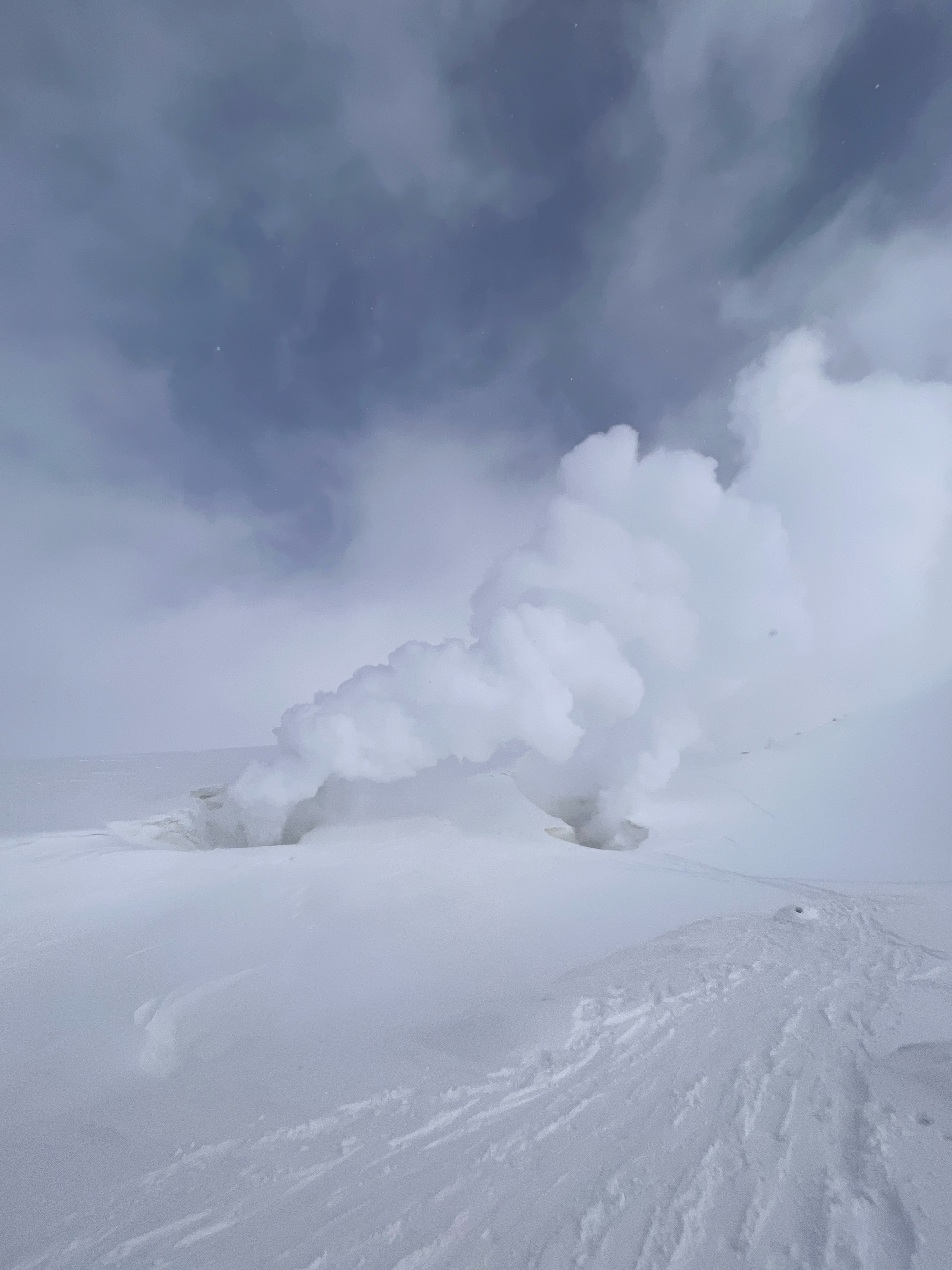
Zao Onsen is also famous for its natural phenomenon known as juhyo, or frost-covered “snow monsters.” This unique spectacle primarily occurs between late January and early February. These icy sculptures can reach surprising heights, often towering over eight meters. They form through a combination of heavy snowfall and strong winds, resulting in fantastical shapes that decorate the slopes and surrounding forests. Adventurers are encouraged to take guided tours to experience these enchanting formations, particularly during sunrise or sunset when the light casts a magical glow upon them.
Popular winter activities
While skiing is undoubtedly the primary attraction, Zao Onsen offers a plethora of additional winter activities to ensure that visitors have a full and varied experience. Snowshoeing has become increasingly popular, allowing enthusiasts to traverse scenic trails amid serene snow-laden landscapes. Various guided snowshoeing tours are available, providing insight into the local ecosystems and opportunities for stunning photography.
Walking through the frosty juhyo forest is a highlight for many travelers. The magical environment created by the frost-covered trees is a photographer’s paradise. For the best light conditions, plan to visit during the golden hours around dawn and dusk. The combination of soft light filtering through the trees and the glistening snow creates a breathtaking backdrop for stunning portraits or landscape shots.
For families, Zao Onsen also offers sledding and tubing areas, perfect for those looking to experience fun in the snow without climbing a mountain. These activities are often very well-received due to their simplicity and the joy they bring to children and adults alike.
Winter travel tips
What to pack for Zao Onsen
Packing correctly for winter in Zao Onsen is essential. Key items to include are thermal layers to keep warm, a waterproof outer shell to resist the elements, insulated gloves, and a warm hat to protect your extremities. Moisture-wicking base layers will help regulate body temperature while ensuring that perspiration does not freeze against your skin. Do not forget ski goggles or sunglasses to protect your eyes from the bright glare of the snow.
Comfortable footwear is essential. Waterproof snow boots with good insulation are advisable, especially if you plan to partake in snowshoeing or other outdoor activities. Good quality ski socks can enhance comfort when skiing, as they provide additional warmth and minimize friction within ski boots. Also, consider packing a lightweight backpack for day trips, which should include water, snacks, and supplementary layers.
Crowd considerations
While Zao Onsen sees more visitors winter than during the peak summer months, certain periods can be notably busier than others. Japanese holidays, especially New Year, see a surge in local ski enthusiasts. To enjoy a less crowded experience, aim for a visit in late January to early March when Japanese families often return to their daily routines yet snow conditions remain optimal for winter sports.
Why book through a local operator
Booking through a licensed local operator can be a game-changer for your Zao Onsen experience. Local operators offer expertise in navigating the slopes and pinpointing the best spots depending on your skill level. Their familiarity with changing weather conditions can enhance your safety, guiding you to the best terrain and activities available that day.
Moreover, local guides often introduce visitors to hidden gems that larger tour companies overlook. With their insights, you can frequent lesser-known ski runs or idyllic scenic spots perfect for photography. Pricing through local operators is often competitive compared to larger booking platforms, allowing you to maximize your budget while receiving personalized service.
Accommodation options
Accommodation around Zao Onsen provides a wide array of choices, from traditional ryokan that immerse guests in Japanese culture to modern hotels that boast plenty of amenities. Staying in a ryokan is a delightful way to experience authentic onsen culture. Many ryokan come equipped with outdoor hot spring baths, allowing guests to soak under the stars while surrounded by the magical winter landscape.
Expect nightly rates for comfortable accommodation during peak winter season to range from around ¥15,000 to ¥30,000 (approximately €90 to €180 / $95 to $190). For those on tighter budgets, there are also guesthouses and hostels available within the area, usually starting from ¥5,000 to ¥10,000 (about €30 to €60 / $32 to $65) per night. Be sure to book accommodations in advance, especially during busy holiday times, to secure the best rates and availability.
The unique experience of that winter onsen
No visit to Zao Onsen would be complete without indulging in its extensive hot springs. After a long day on the slopes, there is nothing quite like relaxing in an onsen and soaking away the fatigue. The mineral-rich waters are known for their healing properties, reputed to ease muscle soreness and improve relaxation.
Many onsens in Zao Onsen feature outdoor baths. Soaking while surrounded by serene winter landscapes is a singular experience that perfectly complements the region's beauty. The contrast of the warm waters against the chill of the winter air enhances the feeling of tranquility. Some popular options for enjoying traditional onsen experiences are the Zao Onsen Yamagata Ryokan and Kijyunoyu, both of which offer unique bathing experiences that make them well worth the visit.
Frequently asked questions
What is the best time to visit Zao Onsen for skiing?
The best time to visit Zao Onsen for skiing is from late December to early March. This period offers the best snow conditions, with consistent powder and fewer crowds after the New Year period.
Is Zao Onsen good for beginners in January?
Yes, Zao Onsen has excellent beginner slopes, particularly in the Utopia area. These runs are gentle and well-maintained, making it a fantastic destination for beginners looking to learn skiing or snowboarding in a picturesque setting.
Do you need a guide in winter?
While it is not strictly necessary to have a guide in winter, hiring one can greatly enhance your experience. Local guides provide safety insights and help navigate more challenging terrain or lesser-known areas of the resort.
How cold does it get in Zao Onsen during winter?
Temperatures in Zao Onsen during winter can dip below -5°C, particularly in January. It is crucial to come prepared for the cold weather, with layered clothing and high-quality winter gear.
Are there snowshoeing trails in Zao Onsen?
Yes, there are various snowshoeing trails available in Zao Onsen that cater to different skill levels. Guided tours are also available for those looking to explore the beautiful winter landscapes with local expertise.
Explore more of Japan in winter
Keep planning with winter guide to Nozawa Onsen and winter trekking in Kamikochi. When you are ready, tell the Roundtripski concierge what you want and we will build a bookable, day by day winter trip with licensed local operators.