Seasons · Japan
Why Book Drift Ice Walking in Shiretoko Peninsula Through a Local Operator

kkawamura / CC BY 4.0 via Wikimedia Commons
The Shiretoko Peninsula, a UNESCO World Heritage site, is a marvel of nature that transforms into a winter wonderland each year. From February to March, this remote region in Hokkaido, Japan, becomes a rare treasure trove where Okhotsk drift ice creates mesmerizing formations along the rugged coastline. For those eager to explore these icy marvels, booking a drift ice walking experience with a local guide is essential. Local operators provide not only safety but also an enriching experience that larger, more generic platforms often overlook.
Unique landscapes of the Shiretoko Peninsula
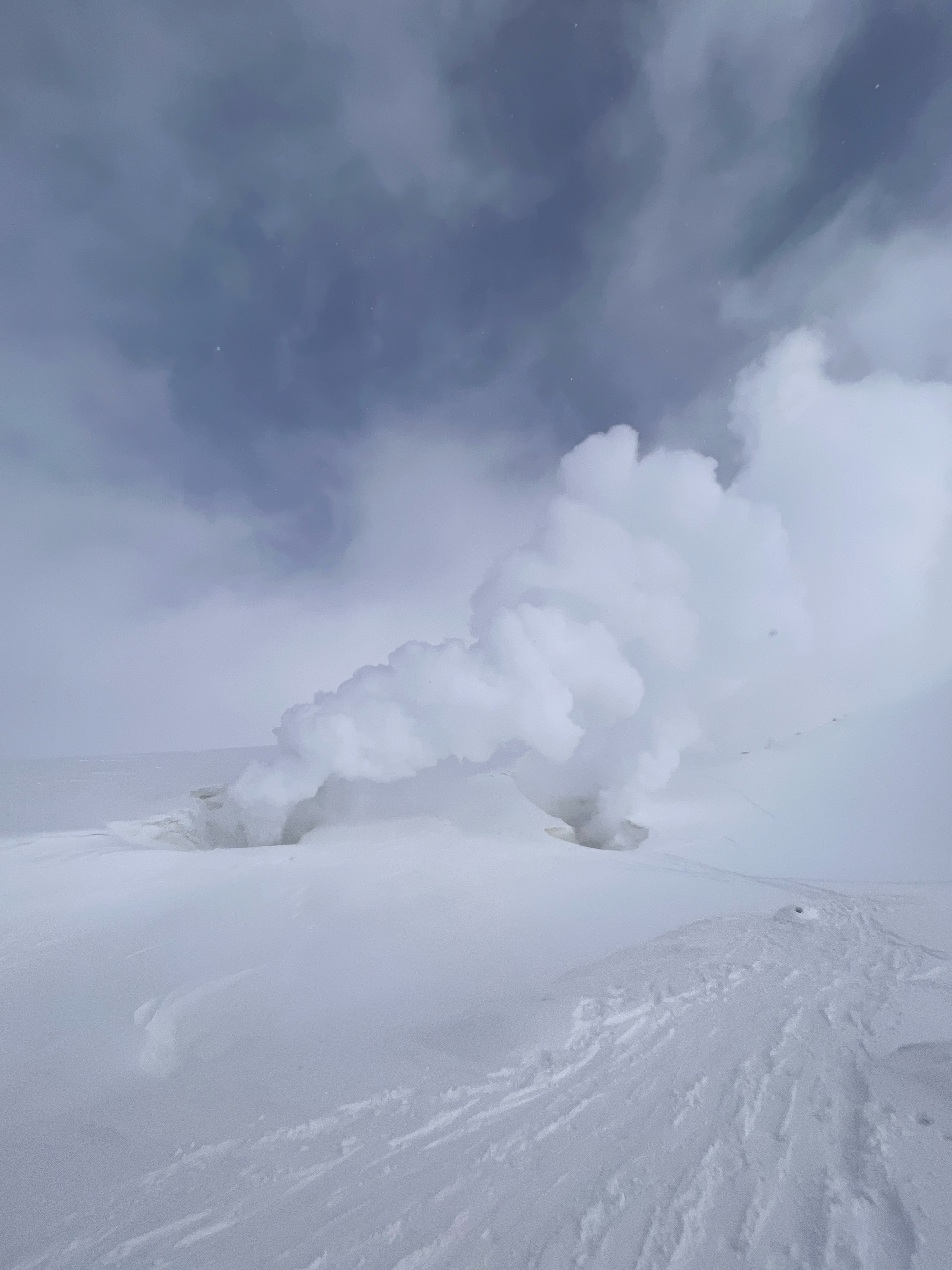
The Shiretoko Peninsula is renowned for its stunning, rugged landscapes that are markedly different in winter. The coastline, framed by snow-capped mountains, becomes dotted with jagged pieces of ice drifting ashore, creating a dynamic and ever-changing scenery perfect for both exploration and photography. Ice formations vary from flat, smooth expanses to jagged cliffs, some towering over several meters high.
One of the best places to observe drift ice is along the coast between Rausu and Shiretoko National Park. Here, you can spot the rare spotted seals and Steller's sea lions basking on the floes. Local guides are invaluable in identifying these creatures and can provide insights into their behaviors and habitats. You can also expect to see a variety of bird species, from sea eagles to guillemots, as they adapt to Hokkaido's harsh winter.
Local operators often offer tailored itineraries that include prime locations for witnessing this wildlife and ice formations. Popular routes may include visits to Rausu Pass and Shiretoko Five Lakes, both of which provide breathtaking views and unique opportunities for photography. Emerging from the landscapes are stunning natural phenomena, such as ice caves and ice arches, which can only be appreciated with the help of knowledgeable guides who can safely navigate the terrain.
Navigating the cold with confidence
Winter in Shiretoko is not for the faint of heart. The region experiences heavy snowfall and strong winds, which can create significant visibility issues. Average winter temperatures hover around -10°C to -15°C, and with wind chills, it can feel even colder. Given these realities, navigating the icy terrain can be daunting for newcomers.
Engaging a local guide offers an extra layer of safety. They are trained to assess ice conditions daily, ensuring your route is on stable surfaces. They are also equipped with safety gear, including ropes and first aid kits, and are adept at recognizing signs of danger, such as cracks or areas with unstable ice. Alongside your guide, you will gain the confidence to explore without the constant worry of navigating the risks attributed to such an environment.
Moreover, local guides understand Shiretoko's micro-climates and can make quick decisions based on current weather conditions. They know the safest paths to follow and the best times to embark on specific trails. This knowledge not only offers peace of mind but can also enhance your experience by maximizing your time outside and exposed to the breathtaking scenery.
Local knowledge enhances your experience
Participating in a drift ice walking adventure with a local operator unlocks a wealth of knowledge and experience that can contribute significantly to your understanding and enjoyment of the Shiretoko Peninsula. Local guides often come from the area and possess deep-rooted knowledge of its ecology, including stories of how the local climate shapes fauna and flora during the harsh winter months.
For instance, one interesting aspect of the Shiretoko ecosystem is the relationship between the drift ice and the rich marine life beneath. Guides often explain how the arrival of drift ice supports a flourishing ecosystem in the surrounding waters. The ice acts as a refuge for various fish and marine mammals, allowing them to thrive during the frigid winter. This knowledge elevates your adventure from a mere walk to an informative journey through one of Japan's most unique environments.
Additionally, local guides are adept storytellers. They can share historical contexts, such as the significance of Shiretoko to the indigenous people of the region and the historical interactions they had with the land and its resources. This crucial local context enriches your experience, transforming the walk into a vibrant tapestry of natural and cultural history.
Value for money
At first glance, it may seem that booking through large online platforms offers cost advantages. However, local operators provide specialized services and experiences that justify the investment. When comparing the value you receive, think not only about the price tag but also about the personalized attention, intimate group sizes, and access to exclusive locales.
Local operators typically offer small group sizes, usually ranging from 4 to 10 participants, which ensures you receive the attention and support you need throughout your experience. You will not have to compete with large crowds to enjoy the beauty of the drift ice, allowing for a more peaceful and engaged adventure. The knowledge gained from a highly trained local guide can also make the experience much more rewarding, allowing for connections with the landscape that self-guided explorations simply cannot provide.
Furthermore, the prices quoted by local operators, typically ranging from approximately ¥15,000 to ¥25,000, often include equipment rentals, such as crampons and safety gear. This means you can enjoy a worry-free experience without the hassle of sourcing equipment on your own. Supporting local businesses also contributes to the community and helps preserve this incredible environment.
Winter travel tips
To make the most of your time in the Shiretoko Peninsula during winter, proper packing is essential. Insulated but lightweight boots are necessary for maintaining warmth while allowing for mobility on the ice. Thermal gloves that can withstand freezing temperatures, along with hats that provide full coverage yet allow you to see clearly, will add an extra layer of comfort. Be sure to wear moisture-wicking base layers alongside insulating mid-layers and a waterproof outer shell to provide effective protection against the elements.
Notably, wearing sunglasses may also feel like an odd addition to your winter gear, but it is essential. The sun reflecting off the ice can cause significant glare, which can be both uncomfortable and disorienting. Eye protection is a small measure that can drastically improve your comfort during the adventure.
Plan your visit carefully, ideally between February and March. During this time, the drift ice is at its peak, and the chance of witnessing spectacular ice formations is at its highest. Compared to the summer months, the winter attracts fewer tourists, allowing for a quieter experience that showcases the region's unspoiled beauty.
Why book through a local operator
Safety is the foremost consideration when wandering onto icy terrain. Local guides are rigorously trained to deal with the unique challenges presented by winter hiking and ice walking. They are cognizant of environmental conditions and carry essential safety gear, including ropes, flotation devices, and first aid supplies, ensuring that they are well-prepared for any situation that may arise.
Booking through a local operator not only guarantees increased safety but also opens doors to hidden gems that you would likely miss without their intimate knowledge of the area. There are numerous secluded beach coves and panoramic viewpoints that only locals know about. Guided tours often include these off-the-beaten-path locations, providing breathtaking vistas and unique photographic opportunities that larger companies might overlook.
Furthermore, local guide operators are more than just tour facilitators. They are passionate stewards of their environment and are dedicated to promoting sustainable tourism practices. Their insight into respectful wildlife observation and conservation efforts helps to foster a sense of responsibility in visitors, encouraging them to engage mindfully with the natural environment.
Making the most of your winter adventure
Embarking on a drift ice walking experience in the Shiretoko Peninsula envelops you in the serene beauty and tranquility of winter's embrace. The experience fosters a unique bond with nature as ice crystals sparkle in the sunlight and the tranquil sound of crackling ice beneath your feet accompanies your every step. This is not only an adventure; it is an opportunity to connect intimately with a remote and breathtakingly beautiful corner of the world.
Drift ice walking, particularly when guided by an experienced local operator, offers a compelling sense of achievement. There is something profoundly satisfying about traversing frozen expanses, surrounded by the raw beauty of nature. You will discover the nuances of the landscape as you explore its transitions, ever-changing with the tides and winds of this isolated haven.
As you navigate this winter wonderland, take a moment to appreciate the rarity of the conditions around you. From massive ice sculptures to the flicker of wildlife, each twist and turn represents a fleeting moment in nature that adds to the overall magic of the adventure. This remarkable experience is undoubtedly a bucket-list worthy encounter for nature lovers and adventurers alike.
Frequently asked questions
Is drift ice walking safe in February?
Yes, drift ice walking in February is generally safe, especially when accompanied by a local guide. They will assess the conditions and ensure you are on stable ice.
Do I need special equipment for drift ice walking?
While some basic gear is necessary, a local guide operator often provides essentials like crampons for better traction on the ice, so you can focus on enjoying the experience.
Can I photograph wildlife while drift ice walking?
Yes, wildlife photography is a significant attraction in Shiretoko. Local guides know the best spots and the best times to observe seals and various bird species.
How cold does it get during winter in Shiretoko Peninsula?
Temperatures can drop to around -15°C (5°F) during winter, so appropriate clothing is essential for comfort and safety on your adventure.
Is drift ice walking suitable for beginners?
Absolutely, drift ice walking is suitable for beginners, especially when guided by a local operator. They provide instruction and support throughout the experience.
Explore more of Japan in winter
Keep planning with winter guide to Niseko and skiing in Hakuba. When you are ready, tell the Roundtripski concierge what you want and we will build a bookable, day by day winter trip with licensed local operators.