Destinations · Slovenia
The Complete Adventure Guide to Triglav (2026)
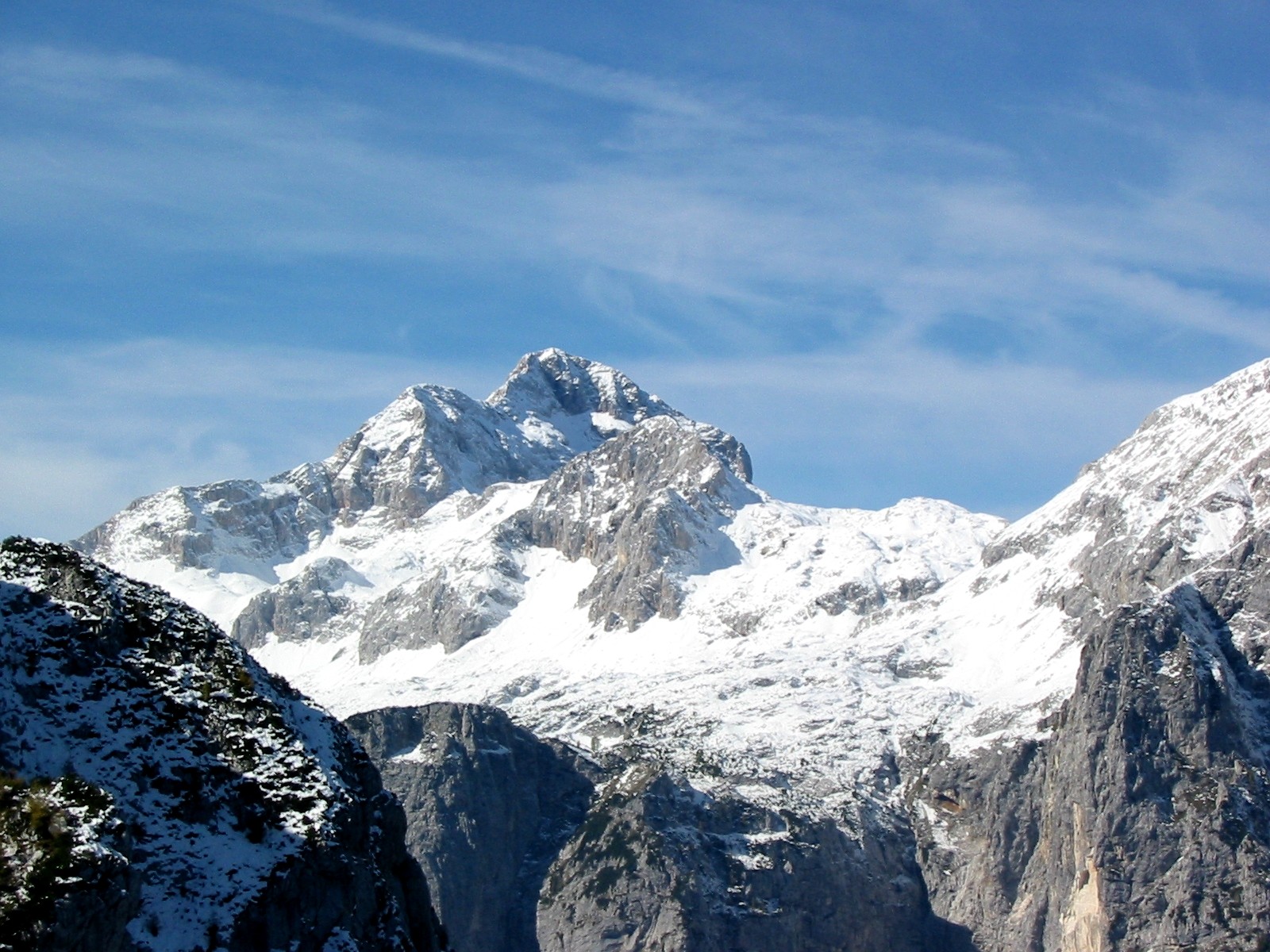
Andrej Jakobčič / CC BY-SA 3.0 via Wikimedia Commons
Triglav stands as Slovenia's national symbol, drawing peak-baggers and alpinists seeking exhilarating routes and mountain huts. This Triglav adventure guide provides an overview of the essential activities, logistical considerations, and experiences that define this majestic area.
 Bob Ramsak / CC BY-SA 4.0 via Wikimedia Commons
The Triglav National Park: An Overview
Triglav National Park spans approximately 880 square kilometers across the Julian Alps. Established in 1981, it remains Slovenia's only national park and is home to its tallest peak, Triglav, which towers at 2,864 meters. The park features dramatic scenery, including glacial valleys, cascading waterfalls, and lush forests, making it an adventure haven for mountaineers and trekkers alike. Scaling Triglav is an unforgettable experience, but there is much more to pursue in this remarkable setting.
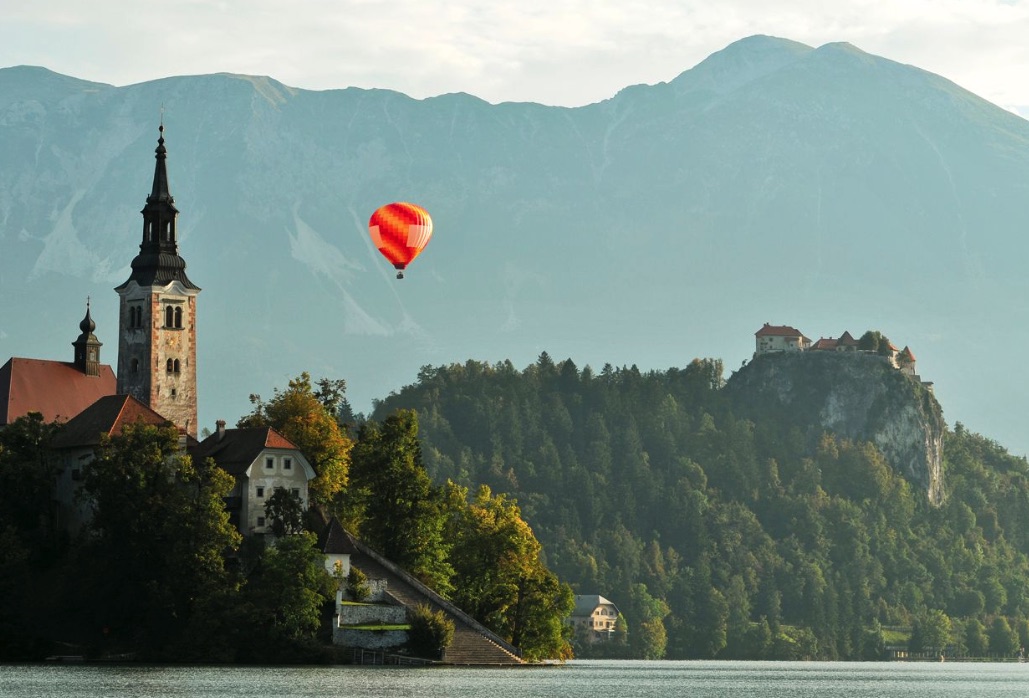
Visitors can explore its iconic lakes, such as Lake Bohinj with its stunning turquoise waters and tranquil atmosphere, and Lake Bled, famous for its picturesque island and castle. The trails in the park are well-marked and varied, catering to different levels of hiking proficiency, from leisurely walks to challenging climbs. Among the highlights are small valleys where wildflowers bloom, leading to panoramic viewpoints overlooking the stunning landscape.
Via Ferrata in Triglav
The Via Ferrata routes in Triglav are renowned for blending adrenaline with safety, attracting climbers eager for exhilarating experiences. The most famous route is the Tominšek route, which can be accessed directly from the Kredarica hut. This route offers a blend of cable-assisted climbing combined with scrambling over rocky terrain. The climb typically takes about 3 to 4 hours, and climbers should possess a good level of physical conditioning and confidence on heights.
When gearing up for the Via Ferrata, rentals are widely available in nearby towns such as Bohinj and Bled, as well as directly at the Kredarica hut. Prices for a full set of gear usually range from €25 to around €40-60, depending on whether you rent from a shop or a hut.
Getting Started with Via Ferrata
Before embarking on the Via Ferrata adventure, it is crucial to have the right gear, which typically includes a helmet, harness, climbing shoes, and a via ferrata kit with a lanyard. For those unfamiliar with climbing techniques, consider hiring a local guide who can provide essential safety training and support. Companies like Alpine Sports offer guided tours, and prices generally range from €80 to around €100-150 per person based on the group size and specific route selected.
Fellow climbers might share helpful tips on local forums or social media groups dedicated to outdoor activities in Slovenia. Ensure you’re also familiar with the route and weather conditions before setting out.
Hut Trekking in Triglav
Hut trekking offers another immersive way to connect with nature while exploring Triglav and the surrounding breathtaking landscapes. The Julian Alps are well-equipped with a network of mountain huts, providing shelter and hearty meals that showcase local flavors after a day of exploring.
Popular huts include Dom Planika and Kredarica, both of which serve as common overnight stops for climbers. The cost typically ranges from €25 to around €50-80 per person per night, which usually includes a half-board option with breakfast and dinner. During the peak months of July and August, reservations are highly recommended due to the high demand, especially if you want a bunk or bed in close proximity to your intended climbing routes.
Suggested Hut Treks
One recommended trek is the Seven Lakes Valley Route, which showcases stunning alpine lakes such as Ultraško Jezero, Dvojno Jezero, and Ry顶湖. This trek typically spans 2-3 days, allowing for a leisurely pace that includes opportunities to explore the diverse flora and fauna. Along the route, you will encounter blossoming wildflowers and possibly spot wildlife like ibex and chamois. Depending on preference, hikers can opt for camping or using the huts along the way.
Another popular trek is the Ridge to Triglav route, which combines incredible views with an exhilarating ascent. Typically, this trek can be completed in 2-3 days, with many choosing to make the summit on the second day.
Ridge Scrambling
Ridge scrambling is a thrilling activity that invites climbers to navigate exposed ridges, making it a great option for those seeking a unique challenge. The Sattelgrat Ridge is particularly noted for its breathtaking views and requires reliable scrambling skills. Participants should feel comfortable with heights and navigate challenging terrain; thus, this activity is best approached with caution or in the company of an experienced guide. Costs for guided excursions focused on ridge scrambling generally hover around €100 per person.
The advent of smartphone applications has not only made navigation a breeze for trekkers but also greatly improved safety. A reliable GPS, compatible with offline maps, can offer solutions should navigational challenges arise on less-marked paths or in sudden weather shifts.
Safety and Preparation
Before heading out on any adventure, it is essential to monitor weather conditions closely. In the Julian Alps, weather can change quickly, so having the appropriate equipment, clothing, and food is crucial for safety. Additionally, make sure to inform someone of your hiking plans, including the route you intend to take and your expected return time.
Best Seasons for Triglav Adventures
For those interested in a Triglav adventure, the best season spans from late June through September. During these months, most trails and via ferrata routes become accessible, and mountain huts open to accommodate hikers. The summer months, particularly July and August, draw crowds of climbers and hikers, revealing the true popularity of the area. Expect to share the trails, but also to engage with a vibrant community of outdoor enthusiasts.
The alternative, spring, offers the charm of fewer crowds, yet certain high-altitude trails might still present challenges due to lingering snow conditions above 2,000 meters. Plan carefully when choosing routes during spring and always check local advisories.
Winter Activities
For those who find joy in winter sports, Triglav also opens its doors to diverse winter activities. Ski touring and snowshoeing are particularly popular during the winter months, with the best conditions typically found between January and late March.
Rental services abound in regions like Bohinj and Bled, providing gear for both skiing and snowshoeing. If you seek a more guided experience, consider joining one of the local ski tour operators who offer expert-led excursions tailored to varying skill levels. Expect to pay around €100 for guided experiences, including equipment rental.
Practical Logistics for Your Trip
To reach Triglav, start your journey from Ljubljana, the nearest major city. From there, buses to either Bled or Bohinj take roughly two hours and cost around €10 to €10-20.
Once you arrive, exploring the multi-faceted vistas of Triglav National Park requires planning. Several local adventure companies, such as Triglav Adventures and Green Slovenia, provide guided tours, gear rentals, and tailored transportation services to enhance your outdoor experiences. It is wise to book guided activities in advance, especially during the bustling summer months when visitors flock to the area.
Additional Things to Do in Triglav
While the focus is often on climbing, Triglav and its surroundings offer a wealth of activities that can liven up any adventure.
- Cycling: Biking along the picturesque trails of Triglav National Park provides an exciting way to witness its breathtaking landscapes. You can rent bicycles in Bled or Bohinj for around €15-30 per day.
- Wildlife spotting: The park is teeming with diverse wildlife. Enthusiastic birdwatchers and nature lovers have the chance to observe ibex, chamois, and various bird species, including golden eagles and peregrine falcons.
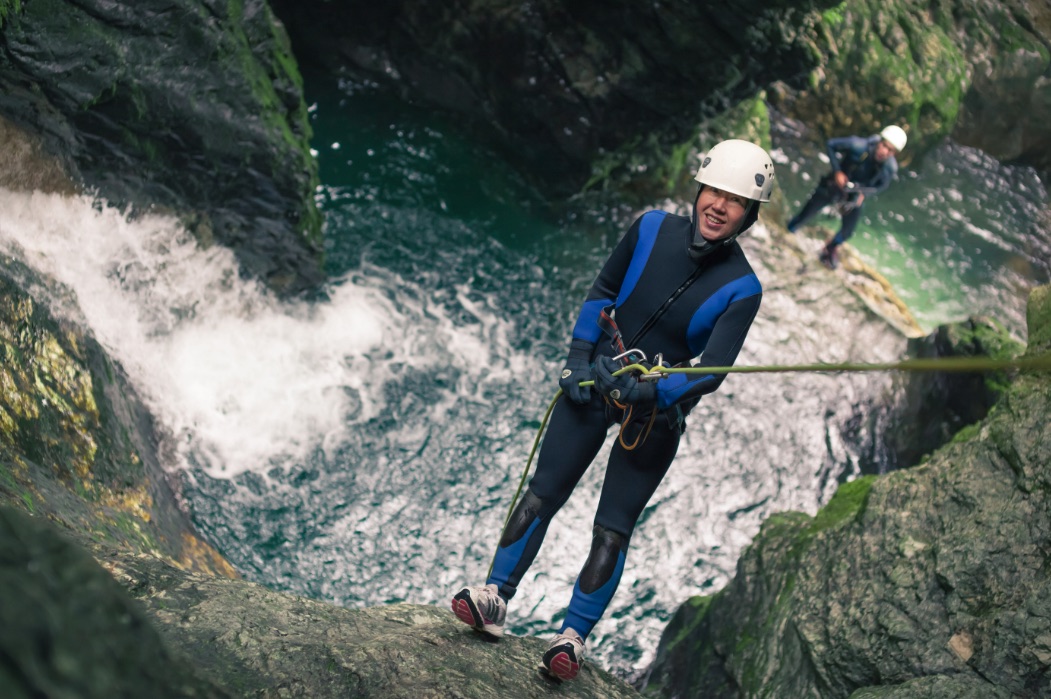
- Canyoning: For thrill-seekers, canyoning in the park’s gorges and serene waterfalls can offer an exhilarating way to experience the region's stunning landscape. Canyoning operators provide equipment and guidance, with prices usually between €50 to €100 per person.
Frequently asked questions
How much does via ferrata in Triglav cost?
The cost for a via ferrata experience in Triglav varies, with guided tours typically ranging from €80 to around €100-150 per person. This generally includes equipment and a knowledgeable guide.
Is Triglav suitable for beginners?
While some routes may be accessible for beginners, the Via Ferrata and ridge scrambling require a solid fitness level and some climbing experience. It is recommended that novices consider guided tours.
When is the best time to hike Triglav?
The best time to hike Triglav is between late June and September when the trails are mostly snow-free, and the weather conditions are more stable.
Are there any age restrictions for climbing Triglav?
While there are no specific age restrictions, parental discretion is advised for children, especially on via ferrata routes. Strong physical fitness is essential.
What should I pack for a hiking trip to Triglav?
Essential items include sturdy hiking boots, breathable clothing, a waterproof jacket, snacks, sufficient water, and items for safety and navigation, such as a map and GPS device.
Ready to go
Ready to book your adventure? Browse experiences in Slovenia on Roundtripski. Keep planning with the adventure guide to the Soča Valley and the adventure guide to Lake Bled.