Destinations · Slovenia
How to Get to Triglav and Get Around

TravelingOtter / CC BY 2.0 via Wikimedia Commons
Reaching Triglav, the iconic peak of the Julian Alps, is an adventure that brings together the thrill of mountaineering and the beauty of nature. In this guide, you'll learn how to get to Triglav, whether by train, car, or air. Additionally, we'll touch on the range of via ferrata Slovenia offers, plus essential tips for your journey.
 Javier Sanchez Portero from Santa Cruz de Tenerife, España / CC BY-SA 2.0 via Wikimedia Commons
Overview of routes to Triglav
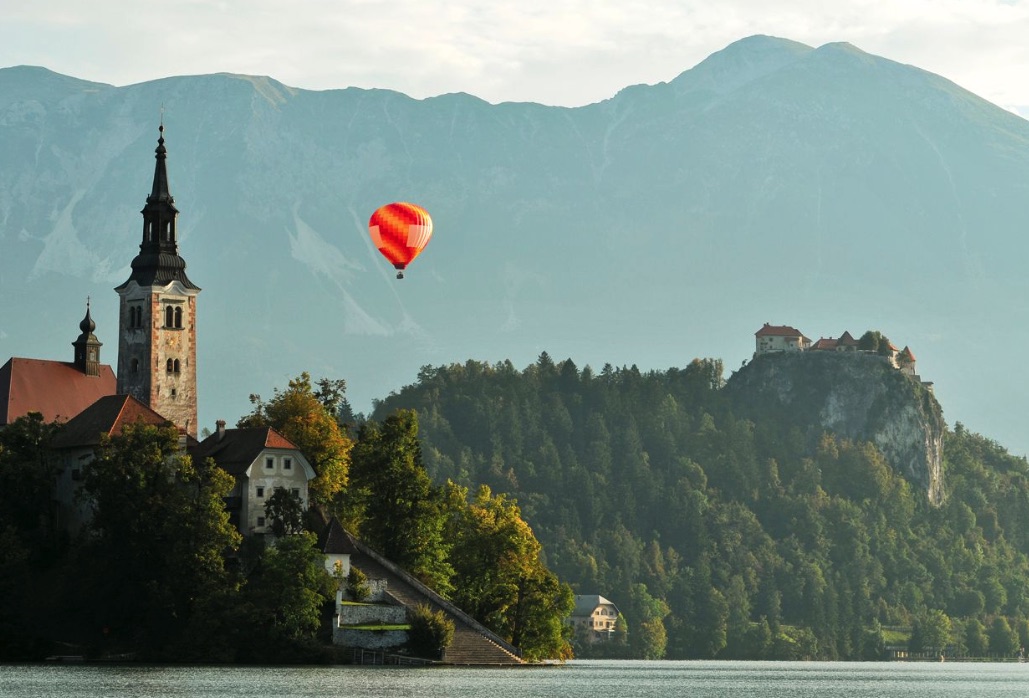
Triglav is a nationally revered symbol of Slovenia, and visitors can reach it from various entry points. The most common starting points include the villages of Bohinj, Bled, and the Pokljuka plateau. Each location offers distinct advantages in terms of accommodation, accessibility, and approach routes to the summit.
Getting to Triglav by Air
The closest major airport to Triglav is Ljubljana Jože Pučnik Airport (LJU), approximately 35 kilometers from Bled. Flights from major European cities to LJU are frequent, making it a convenient entry point.
From the airport, you can take a taxi or a shuttle to Bled, which should cost around 30 to around €30-50. It is also a good idea to check local bus schedules for regular routes. In peak season, buses provide an economical option.
Getting to Triglav by Train
If you prefer traveling through scenic landscapes by train, consider using Slovenske železnice (Slovenian Railways). Regular service connects Ljubljana with Bled and Bohinjska Bistrica. Trains typically run every hour, with travel times of about 1 hour for Bled and 2 hours for Bohinjska Bistrica. Ticket prices are generally between 7 to around €10-20.
From Bled or Bohinjska Bistrica, you will find bus connections to the trailheads around Triglav National Park, specifically to places like Lake Bohinj.
Getting to Triglav by Car
For those considering a car, renting one is a flexible option that allows for exploring the scenic routes of Slovenia. You would typically rent a car at Ljubljana Airport or in the city. It takes about 30 minutes to drive to Bled and around an hour to reach the valley of Bohinj.
Parking is available in the villages, but note that during peak season, spaces can fill up quickly. Make sure to follow local parking regulations to avoid fines.
The last mile to Triglav's trailheads
Once you reach Bled or Bohinj, getting to the trailheads involves a combination of bus transport and some short walks.
From Bled to the trailhead
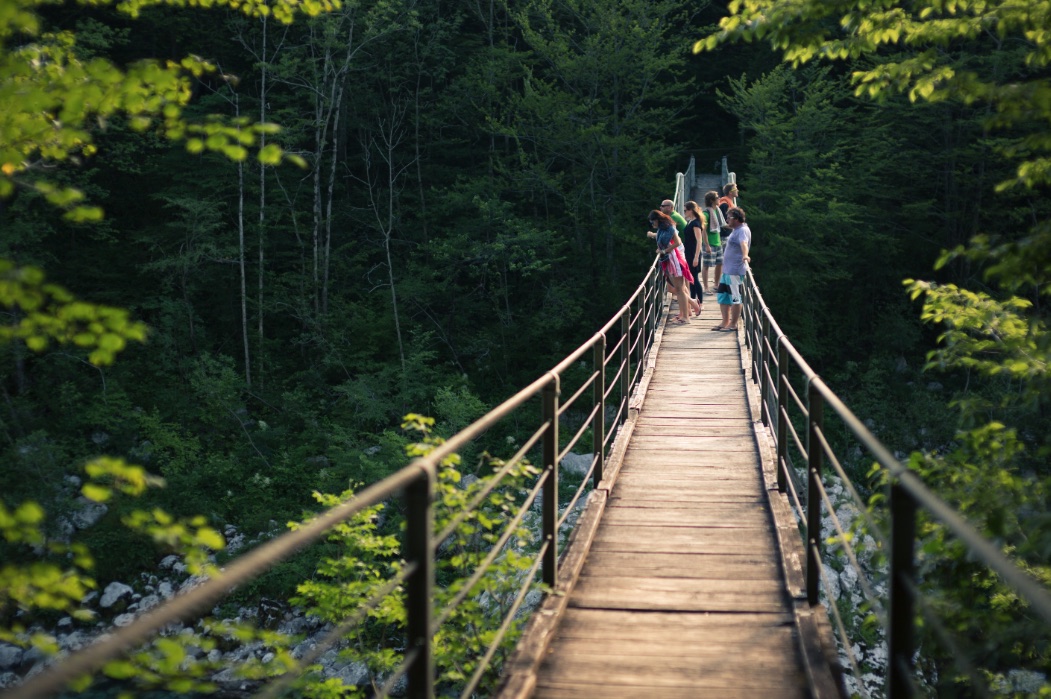
If you choose to start from Bled, take the local bus from the town center to the top of Vintgar Gorge for a stunning pre-climb hike. Alternatively, from Bled, you can reach the Pokljuka plateau by TNP shuttle bus, which runs during the summer months.
From Bohinj to the trailhead
Bohinj provides a more rugged approach to Triglav. From Bohinjska Bistrica, a bus to the Savica Waterfall takes about 30 minutes. This is where the popular ascent via the Triglav via ferrata begins. From the waterfall, the trail leads to the first hut, Dom na Komni, where you can rest before tackling the summit.
Overview of the Triglav ascent
The ascent of Triglav typically spans two days for most climbers. It’s common to stay overnight in one of the mountain huts along the route.
Via ferrata Slovenia: routes to the summit
The most popular route is via the Kredarica hut (the highest mountain hut in Slovenia) using the Srednja via ferrata. This route features steel cables and ladders, providing a higher level of safety for climbers. The climbs are graded, ranging from a moderate difficulty for the casual alpinist to more challenging sections that require climbing skills.
The via ferrata technique is emphasized on the final climb from Kredarica to the summit, where breathtaking views await you of the Julian Alps.
Hut options along the way
- Dom na Kredarici is the most common lodgings, at a height of 2,515 meters. It offers basic dormitory-style accommodation and hearty meals. Expect to pay between 40 to around €50-80 for half-board.
- Dom na Komni serves as an excellent starting point and offers basic amenities starting from around €40.
Safety considerations while climbing
While Triglav is accessible, conditions can become severe quickly. Precipitation, fog, and cold temperatures can hinder your ascent. Always check local weather forecasts before embarking on your climb. Also, ensure you have adequate gear, helmets, harnesses, and climbing shoes are vital.
Things to do in Triglav when not climbing
Apart from climbing, Triglav National Park offers numerous activities. Hiking trails are well-marked and varied. Popular hikes include routes through the Soča Valley and around Lake Bohinj. The nature in this area offers unique flora and fauna opportunities, plus the surrounding villages showcase rich cultural heritage.
Alternative outdoor activities
- Hiking and trekking around Lake Bohinj
- Mountain biking on designated trails
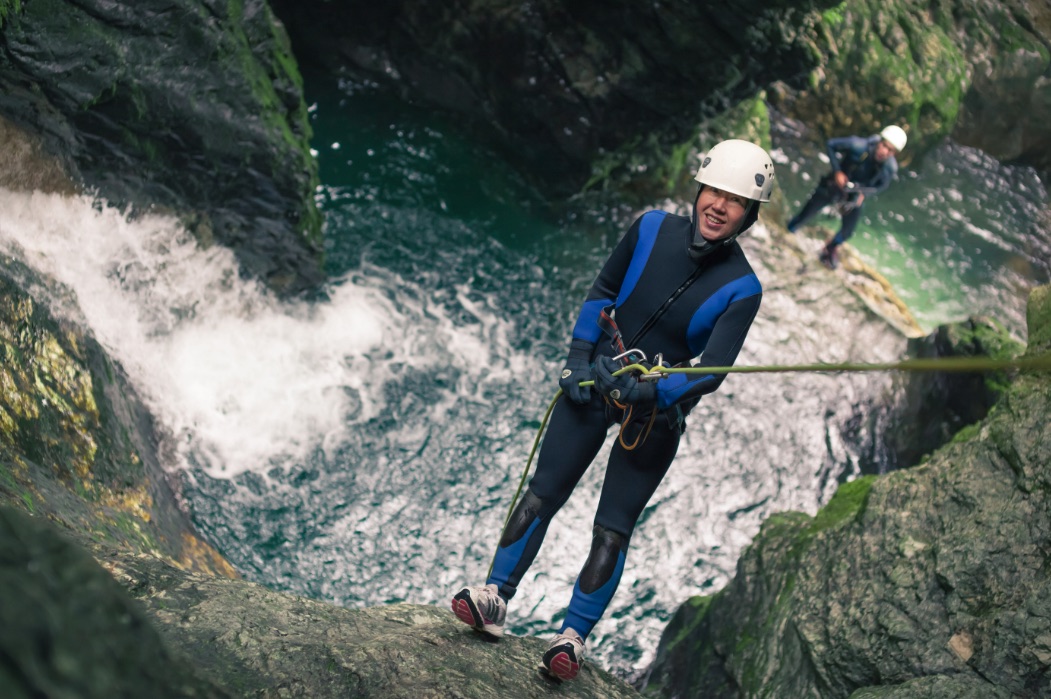
- Canyoning available through local adventure operators in Bohinj
Conclusion
Getting to Triglav in Slovenia is a rewarding experience made accessible by various transport means. Whether you opt for the scenic train ride or drive through the stunning alpine landscapes, reaching this iconic peak is certainly a worthy adventure.
Frequently asked questions
How much does it cost to climb Triglav?
Costs can vary, but expect to spend anywhere from 50 to around €80-130 for transportation and accommodation. Adding the ascent costs may raise the total to around €150 for a guided climb, depending on the operator.
What is the best time to visit Triglav?
The best season to climb Triglav is from June to September. During this time, the trails are generally clear of snow, and the weather is more stable, making it safer and more enjoyable for climbers.
Can you hike Triglav without a guide?
It is possible to hike Triglav without a guide if you have prior mountaineering experience. However, many opt for experienced guides for safety and local knowledge, especially on via ferrata routes.
What gear do I need for the Triglav ascent?
Essential gear includes a helmet, harness, climbing shoes, and a good-quality backpack with water and snacks. Climbers should also bring weather-appropriate clothing and extra layers.
Are there any age restrictions for climbing Triglav?
While there are no strict age restrictions, it is essential for children to have previous hiking experience and be accompanied by an adult. It is always good practice to assess the physical capability of participants before the climb.
Is Triglav accessible for beginners?
While beginner climbers can manage some routes, it is highly recommended to participate in a guided ascent if you are new to climbing. This ensures you can learn the necessary skills and procedures in a safe environment.
Ready to go
Ready to book your adventure? Browse experiences in Slovenia on Roundtripski. Keep planning with the adventure guide to the Soča Valley and the adventure guide to Lake Bled.